Flamenco isn't a dance you watch from a polite distance. It's a live art form that asks for your full attention, and it gives a great deal back. Sit in a dim tablao in Málaga or a cramped peña in Estepona and you're watching centuries of feeling pressed into ninety minutes: the raw voice of a cantaor, the controlled violence of the footwork, the guitar holding it all together. We've hosted guests from across Europe for over a year now, and one question comes up more than almost any other: "Where do we see real flamenco?"
Here is the answer, starting close to home.
What Flamenco Is (And What You're About to Hear)
Most people picture the dance and stop there. That's a third of it. Flamenco is a trinity, and the three parts are inseparable.
Cante (the singing) is the heart. The cantaor sings from somewhere deep, usually about grief, love, exile, or hard times. There are dozens of styles, called palos: slow and mournful (cante jondo), or bright and rhythmic (tangos, alegrías). The voice cracks and bends and frays at the edges. That's not a flaw. That's the whole point.
Toque (the guitar) is the foundation. The tocaor isn't background music; they're in constant conversation with the singer and dancer, setting the emotional temperature with percussive strumming and lightning fingerpicking.
Baile (the dance) makes both visible. The bailaor doesn't run through fixed choreography so much as respond in the moment: powerful heelwork (zapateado), sweeping arms, sharp hands. Every stamp is a reply to something the singer just did.
UNESCO listed flamenco as Intangible Cultural Heritage of Humanity in 2010. That status isn't about fashion; it recognises an art kept alive for generations inside families, peñas and neighbourhoods. Watch it in the right room and you understand the difference between entertainment and ritual within about five minutes.
Flamenco in Málaga: The Two Names Worth Knowing
Málaga city is the obvious move if you're already spending a day in the capital, and it has more going on than its reputation suggests. The trick is knowing where to go, because the historic centre also hides a few thin tourist sets that won't do the art justice.
Kelipé: Centro de Arte Flamenco
This is the one to book. Kelipé sits on Calle Muro de Puerta Nueva, a two-minute walk from the Thyssen museum and Plaza de la Constitución, and it has been running since 2002. The room is small (capacity around 50), with four or five artists and a focus on the craft rather than the spectacle. Reviewers consistently rank it the best flamenco in Málaga, and it shows: this is the city's answer to the intimate Seville tablaos.
Cost: around €35 for adults including a drink (reduced rates for under-18s) Shows: Wednesday to Sunday, typically 20:00; 60 or 90 minutes Vibe: Intimate, art-led, quietly serious
Tablao Alegría
Down near La Malagueta and the Centre Pompidou, Tablao Alegría (Alegría Flamenco y Gastronomía) is the bigger, more theatrical option, built around a dinner-and-show evening. Multiple sessions run daily, the production is polished, and it's an easy night out if you want food and flamenco in one stop. It's less raw than Kelipé; go in knowing that.
Cost: roughly €40-75 with dinner; show-only options available Shows: Daily, multiple sessions; about 60-75 minutes Vibe: Polished, restaurant-style, tourist-friendly
In summer, you'll also catch impromptu flamenco around the centre during the Feria de Málaga in August: not a substitute for a tablao, but a fun, free taste of the city in full swing.
Flamenco Near Sabinillas (Estepona, 15 Minutes Away)
You don't need to drive far. Estepona, our neighbouring town, has two genuine options within fifteen minutes of the apartment: one polished, one local.
Mi Caseta Estepona
Mi Caseta recreates the atmosphere of an Andalusian fair caseta, with a cast of eleven: dancers, singers, guitarists, percussion. It's a full evening: you can add a southern Spanish dinner (Spanish tortilla, jamón ibérico, Payoyo cheese) paired with Manzanilla sherry from Cádiz. Lively, well-drilled, crowd-pleasing.
Cost: around €45 for the show, about €80 with dinner Shows: Thursdays and Fridays; doors around 20:30, show roughly 21:30 (runs close to two hours) Vibe: Professional, theatrical, family-friendly
Peña Flamenca de Estepona
This is the antidote to gloss. Peña Flamenca de Estepona is a members' club on Plaza de las Fuerzas Armadas, one of roughly fifty federated flamenco clubs across Málaga province. The highlight is a Noche Flamenca gala on alternate Fridays, with local and touring artists.
Doors open at 20:00; the first act tends to start around 21:30. The feeling is the real thing: locals, aficionados and a few curious visitors elbow to elbow, glass of wine in hand, watching flamenco happen with nothing between you and the stage. This is where artists perform because they can't not perform.
Cost: €10-20 depending on who's on Shows: Alternate Fridays (call to check); typically two hours plus Vibe: Intimate, local, the genuine article
Pro tip: Not every Friday has a gala, so ring ahead (reservations on 952 803 183) to confirm the date. Aim to arrive before 21:00 for a table with a clear line to the stage.
A Little Further Up the Coast
El Tablaíto de Rous (San Pedro Alcántara) and Flamenco Ana María (Marbella old town) are small, well-regarded rooms within easy reach; check current schedules before you set out, as nights vary.
The Sacred Triangle: Seville, Jerez & Cádiz
This is where flamenco lives. Three cities form its heartland, and each does something different. All three make a comfortable day trip from Sabinillas; our day trips overview covers the logistics.
Seville: The Emotional Epicentre
Seville is flamenco theatre, and the tablaos are numerous and excellent. Four to know:
Casa de la Memoria (on Calle Cuna) is the connoisseur's pick: a courtyard in a historic palace, tiny capacity, four performers (two dancers, a singer, a guitarist) and no microphones at all. The intimacy is the whole experience.
- Cost: around €24-25 (reduced rates for students and children)
- Shows: two performances daily; check current times when you book; seating is unnumbered, so arrive 30-45 minutes early
- Booking: essential; book online or in person
Tablao Los Gallos (Plaza de Santa Cruz) has run since 1966, making it Seville's oldest tablao. Eight artists, a 75-minute show, polished without feeling sterile.
- Cost: €38 per person (includes a drink)
- Shows: usually two nightly, around 20:30 and 22:30
Baraka Sala Flamenca (Triana, Calle Pureza 107) is the under-the-radar one: an old wine cellar seating no more than about 45, four artists, no mics, pure acoustics.
- Cost: €27 including a drink
- Shows: nightly at 19:00, with a 21:00 second show in busy months
Museo del Baile Flamenco runs short shows choreographed under the eye of legendary dancer Cristina Hoyos, with the option to pair it with the museum.
- Cost: about €25 for the show, around €29 combined with the museum
- Shows: 17:00, 19:00 and 20:45 daily
Seville is roughly 2 hours 15 minutes by car from Sabinillas (A-7 towards Algeciras, A-381 to Jerez, then the toll-free AP-4). A day trip to Seville for flamenco, tapas and the Cathedral is well worth it; drive, or take the train from Málaga to skip the parking headache.
Jerez de la Frontera: The Singing Heart
Jerez is quieter than Seville but arguably more important: it's a stronghold of powerful cante, and the home of sherry. The standout tablao is Puro Arte, set inside a bodega dating to 1739: about a 70-minute show with six top-tier performers, from €30 with a drink. The city's peñas run year-round too; the tourist office can steer you to whatever's on that week.
Distance from Sabinillas: ~1h45 by car (A-7, then A-381 via Los Barrios)
Cádiz: The Raw Birthplace
Many consider Cádiz one of flamenco's original homes, and the tradition here feels earthier, less buffed for visitors. Rooms like La Cava Tablao Flamenco and the long-running Peña Flamenca La Perla de Cádiz give you the unpretentious version, where it began with the dockworkers and gitano families of the old town.
Distance from Sabinillas: ~2h by car (past Jerez, via the A-381/A-48)
Tourist Flamenco vs the Real Thing
Not all flamenco is equal, and the gap is wide. Here's how to read a venue before you pay:
| Aspect | Tourist flamenco | The real thing |
|---|---|---|
| Room | Big, bright, theatrical staging | Small, dim, modest, close to the stage |
| Performers | Set choreography, identical each night | Responsive, slightly different every time |
| Sound | Amplified, microphones, sometimes backing tracks | Acoustic; the voice and guitar carry on their own |
| Audience | Passive, "don't make a sound" | Encouraged to clap palmas or call ¡olé! |
| Price | €50-150+, often a coach-tour add-on | €15-40 |
| Booking | Travel sites, hotel desks | Direct phone, walk-in to peñas, local tip-off |
| Best examples | Polished shows in the big tourist zones | Peñas, neighbourhood tablaos, family-run rooms |
Both have their place. A night at Casa de la Memoria in Seville is unforgettable theatre. So is standing in a cramped peña in Jerez while a singer in his seventies works through a soleá so raw that strangers around you go quiet. If you can only do one, do the small one.
What to Expect, and a Few Words on Etiquette
First-timers often tell us the same thing afterwards: the first ten minutes were strange, and then something clicked. The cante can sound harsh before your ear adjusts. Let it. A few simple things make the night land better:
- Arrive early. Seating is usually unnumbered. Thirty minutes ahead gets you a real sightline.
- Be quiet during the cante. The singing is the most fragile, important part. Chatter ruins it for everyone.
- Save the camera. Most intimate venues ask for no photos or video during the show; many relax it for the final number.
- ¡Olé! is welcome when earned. A genuine call at a peak moment is part of the form, not a tourist faux pas. Forced, constant shouting is. Read the room.
- Phones away. A glowing screen in a dark, tiny room is the one thing that genuinely breaks the spell.
That's the entire code. No special dress required: smart casual covers everything, peñas are properly relaxed, and comfortable shoes help if you're wandering the neighbourhood before or after.
When to Go: Festivals & Seasons
Year-Round
Tablaos in Málaga, Seville, Jerez and the bigger towns run nightly, so any week of your stay works. Peñas are more variable: some perform weekly (often Fridays), some monthly. Always check ahead.
The Festivals Worth Planning Around
Festival de Jerez (held late February to early March each year; the next edition runs late Feb-early Mar 2027, exact dates to be confirmed) is the connoisseur's festival: weeks of performances, classes and workshops across the city. Book the headline shows months out once the programme is announced.
Bienal de Flamenco (Seville, even years; the XXIV edition runs 9 September to 3 October 2026) is the biggest flamenco festival on earth, spread across venues citywide. Tickets at labienal.com.
La Noche Blanca del Flamenco (Córdoba, one night each June; the 2026 edition ran 20-21 June) is free, all-night flamenco across the squares of the old town until dawn.
Best Season for the Intimate Venues
October to May. Fewer tourists, easier tickets at the small rooms, and the artists aren't worn down by a packed summer schedule. July and August bring more shows but bigger crowds and higher prices, and midday Andalucía in August is brutal, so an air-conditioned evening tablao is no bad way to spend it.
Planning Your Flamenco Evening
Best Time to Book
- Peñas (Estepona, etc.): call 2-3 days ahead, or just turn up (walk-ins often fine)
- Tablaos in Málaga & Estepona: 2-3 days in advance
- Casa de la Memoria, Seville: 1-2 weeks ahead (small and popular)
- Other Seville/Jerez/Cádiz tablaos: 3-5 days ahead
Friday and Saturday nights fill fastest, everywhere.
Quick Reference
| Detail | Info |
|---|---|
| Best flamenco season | October-May (smaller crowds, intimate rooms at their best) |
| Peak tourist season | July-August (more shows, more crowds, higher prices) |
| Typical show length | 60-90 minutes (peña nights run longer) |
| Typical cost | €15-45 per person (peña to polished tablao) |
| Dinner included? | Some tablaos add tapas + a drink; most are show-only |
| Dress code | Smart casual; peñas are genuinely casual |
| Photos? | Usually not during the show; some venues allow the final minutes |
Getting to Seville, Jerez & Cádiz from Sabinillas
- Driving: ~2h15 to Seville, toll-free via Algeciras and Jerez (A-7 → A-381 → AP-4)
- Bus: Avanza and other regional services link the area to the major cities (roughly 2-3 hours; fares vary)
- Guided tours: some operators run all-day flamenco excursions, though departures and prices change; ask us and we'll help you weigh a tour against simply driving or taking the train
Let Us Point You to the Right Night
If flamenco is on your list, this is exactly the local knowledge we love to share: which venue suits your taste, which Friday the Estepona peña has a gala, and what to book ahead. Tell us when you're staying with us and we'll steer you to a real room rather than a tourist set. Understanding the context makes the whole thing land far harder.
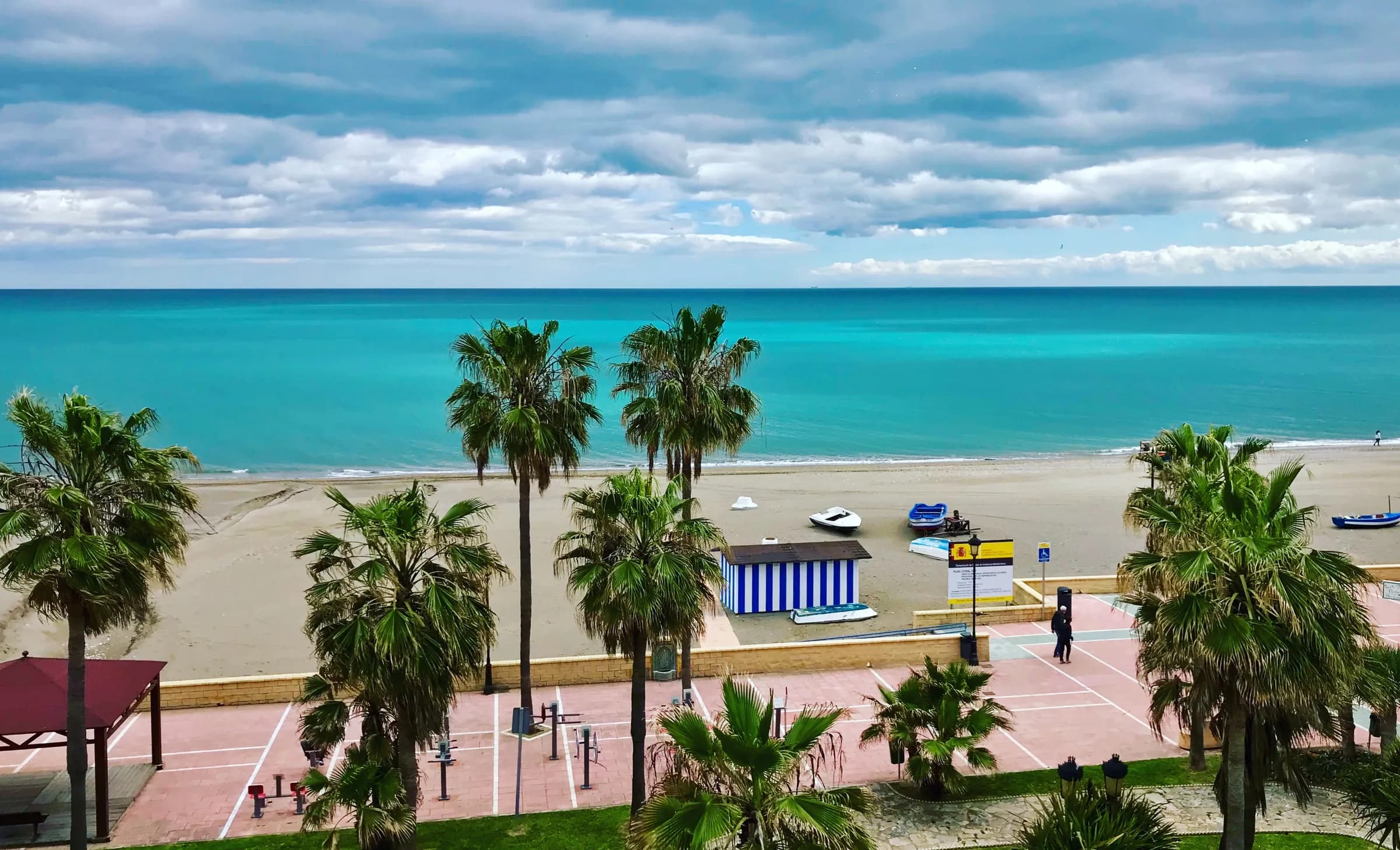
Stay Right on the Beach
The sand is 30 seconds from the door, and the balcony looks straight out at it. Book direct and save up to 20%.
- 3 Bedrooms
- 6 Guests
- 96 m²
Frequently Asked Questions
Related Articles
Feria de Málaga: When to Go & What to Expect
Your guide to the Feria de Málaga, Andalucía's biggest August party: 2026 dates, the day fair vs night fair, Cartojal wine, and how to get there.

Things to Do in Seville: Itinerary & Day-Trip Guide
Planning the things to do in Seville from the Costa del Sol? The Alcázar, Cathedral and Plaza de España, plus tapas, flamenco, getting there and an itinerary.
Day Trips from Sabinillas & the Western Costa del Sol
Best day trips from Sabinillas and the western Costa del Sol: Ronda, Gibraltar, Caminito del Rey, white villages and Tangier, with drive times and costs.
The Local's Costa del Sol, Monthly
One email a month: what's on in Sabinillas, the best local finds, and first pick of apartment dates. Free welcome gift: our Sabinillas Insider Guide.
We respect your privacy. Unsubscribe at any time.
Comments
No comments yetHave a tip, a question or a correction? Every comment is read and approved by hand before it appears, usually within a day.
No comments yet. Be the first to share a tip or ask a question.