What Is the Feria de Málaga
The Feria de Málaga is Andalucía's biggest summer celebration. For eight days and nights in August, the city turns into a non-stop party: music from dawn until dawn again, flamenco in the streets, traditional costumes, fairground rides, and more sheer celebration than any one city should reasonably hold.
This isn't a festival staged for tourists. It's a genuine local party where Málaga's residents, and Andalusians from across the region, come to dance, eat, drink, and stay up far too late for no reason other than the feria demands it. The mood is infectious, chaotic, and joyful. It's the opposite of a carefully curated resort experience, and that's exactly the point.
The fair has a long history, and it isn't random tradition either. It commemorates 19 August 1487, when the Catholic Monarchs, Isabella and Ferdinand, took the city after a long siege during the Reconquest; 19 August is still a local holiday in Málaga and the fair's central historical date. The feria itself opens around 15 August, the feast of the Asunción (Santa María de Agosto), and runs through to take in the 19th, which is why you'll spot a historical parade, the desfile histórico, winding through the centre in period costume during the week. From those civic roots it has grown into the loud, hedonistic, genuinely beloved street party it is today.
Feria de Málaga 2026 Dates
In 2026, the Feria de Málaga runs from Saturday 15 to Saturday 22 August. The opening fireworks are launched over the port at midnight on 14 August (so, the very early hours of the 15th), followed by the pregón, the official opening speech, and the lighting of the fairground at Cortijo de Torres on the night of the 15th.
These dates barely move. The feria is always anchored to 15 August, the feast of the Asunción, so it lands in the same mid-to-late August slot every year. Plan a coastal trip around it and you can book months ahead with confidence, though always sense-check the official Málaga city programme nearer the time, as the concert line-up and a few daytime events are confirmed late.
A word of warning on timing: this is the hottest, busiest fortnight of the Andalusian year. The city bakes: daytime highs of 32-36°C are normal, and the historic centre traps the heat. If extreme August heat isn't for you, read our month-by-month guide to the best time to visit the Costa del Sol before committing.
Day Fair vs Night Fair: Two Completely Different Events
Here's the single most important thing to understand: the Feria de Málaga is not one fair. It's two separate parties, in two different places, with completely different rhythms. Get this wrong and you'll wonder what all the fuss is about.
The Day Fair (Feria de Día) on Calle Larios
From around 12:30 to 18:00, the historic centre comes alive. Calle Larios, Málaga's grand marble shopping street, is strung with paper lanterns, lights, and coloured flags. This is where families go, where older locals gather to watch the young, where the tradition gets performed in daylight.
You'll see verdiales dancers: groups in extraordinary costumes covered in flowers, mirrors, bells, and ribbons. The verdiales is an ancient fandango folk tradition from Almogía and the Montes de Málaga, the olive-covered hills inland from the city. Its small bands of violin, guitars, cymbals, and tambourines are genuinely hypnotic, and the dancing is athletic and full of joy. Each troupe, or panda, is led by a mayor carrying an olive branch hung with ribbons.
The day fair is free. It's crowded but manageable, and it's where you see Málaga as it is: families, young couples, old friends, everyone dressed up and in a good mood. The streets around Plaza de la Constitución and the cathedral fill with sherry, Cartojal, and impromptu sevillanas. If traditional Andalusian music and dance interests you beyond the feria, see our guide to flamenco shows across Andalucía.
The Night Fair (Feria de Noche) at Cortijo de Torres
This is the other beast entirely. At Cortijo de Torres, the purpose-built fairground on the western edge of the city, everything changes after dark. Dozens of casetas (large party tents, many run by social clubs, neighbourhood associations, and companies) open their doors around 20:00. Each has its own bar, sound system, and DJ. Some host live bands. There's a full funfair lit up against the night sky, rows of food stalls, and an energy that doesn't drop until 06:00.
The night fair is also free to enter, but you'll spend once inside: on drinks, food, and the atmosphere itself. Many casetas are open to all; a few are semi-private (members or invitation only), but plenty welcome anyone willing to buy a round.
This is where the real party lives. This is where people dance until their shoes are ruined and they've stopped caring.
A Sample Feria Day, From Noon to Sunrise
The feria runs on its own clock. Time turns abstract. Here's roughly how a full day unfolds if you do it properly:
- Around noon: Coffee and something fried somewhere central, then into Calle Larios as the day fair gets going. Verdiales bands, flamenco dresses, the first cold Cartojal.
- Early afternoon: Wander the side streets off Plaza de la Constitución. The bars spill out; people sing sevillanas in the street. Grab pescaíto frito from a busy vendor.
- Around 17:00-18:00: The day fair winds down as the heat peaks. This is the time to retreat: a long lunch, a siesta, or back to the coast for a swim and a shower.
- From 20:00: Head out to Cortijo de Torres. Early evening is best for families and the funfair: calmer, and you can move.
- 22:00 onwards: The casetas fill and the night fair switches into full gear. DJs, live bands, dancing, more Cartojal.
- Around 05:00-06:00: The diehards stumble towards churros and hot chocolate as the night fair closes, waiting for the first dawn train. This is the feria's natural rhythm, not an exaggeration.
The lesson: don't try to do day and night in one unbroken stretch. Build in that late-afternoon break. The locals certainly do.
The Signature Drink: Cartojal de Málaga Wine
Cartojal is a sweet white wine made from the Moscatel grape, produced by Bodegas Málaga Virgen. It's young, fresh, and fruity, with notes of honey and citrus, and it's served ice-cold. The fuchsia-pink bottles and matching pink cups have become completely synonymous with the fair.
During feria week it's the universal drink. You'll watch locals work through it with real dedication. It's cheap (around €2-3 a cup at a caseta), endlessly drinkable in the heat, and woven deep into Málaga tradition. Bodegas Málaga Virgen makes about half a million bottles for the season, the bulk of it in plastic so there's no broken glass underfoot in the crowds.
By the end of the night those pink bottles and cups are everywhere. It's part of the look of the thing.
Good to know: Cartojal is around 15% alcohol and dangerously easy to drink. Pace yourself and alternate with water; the feria runs all week, and August dehydration is no joke.
What to Eat & Drink at the Feria
The food is straightforward and very good: local, generous, and not a tourist rip-off.
Pescaíto Frito. Small fried fish (anchovies, squid, tiny sea bream), lightly floured and fried in olive oil. This is the canonical feria food. Order it from a vendor with a queue; fast turnover means fresh fish. Around €6-8 a portion.
Espetos. Sardines grilled on a wooden skewer over coals. More of a beach-chiringuito speciality, but they turn up at the feria too. Around €5-7 a skewer.
Jamón Ibérico. Thin-sliced cured ham, often carved to order. Around €4-6 a small plate. Rich and salty in the best possible way.
Churros with Chocolate. A breakfast and a 6am tradition both. Deep-fried pastry with a small cup of thick hot chocolate for dunking, around €3-4. That they're served at dawn when the night fair empties tells you everything about the feria's timing. (If you'd rather not battle the crowds, the chiringuitos along our beaches do excellent churros on quiet mornings.)
Croquetas & patatas bravas. Standard caseta fare alongside the bar, usually a few euros a plate, perfect for soaking up the Cartojal.
| Food / Drink | Where | Price (approx.) | Notes |
|---|---|---|---|
| Pescaíto frito | Street vendors | €6-8 | Pick a busy stall with high turnover |
| Espetos | Beach bars, some stalls | €5-7 | Sardines grilled over charcoal |
| Jamón ibérico | Casetas, vendors | €4-6 | More marbling, better quality |
| Churros with chocolate | Street stalls, casetas | €3-4 | Best at sunrise |
| Cartojal wine | Casetas | €2-3 per cup | The signature feria drink |
| Croquetas / patatas bravas | Casetas | €3-5 | Good ballast for a long night |
For more on the region's food beyond feria week, read our local picks for the best restaurants in Sabinillas and Manilva.
The Feria With Kids
Plenty of families do the feria, and the day fair is genuinely good for children. The decorated streets, the verdiales bands, the horse-drawn carriages, and the relaxed daytime mood all work well with little ones, and there's shade and ice cream within easy reach around the centre.
The funfair at Cortijo de Torres is the obvious draw: a proper fairground with rides aimed at all ages, best visited in the early evening (roughly 20:00-22:00) before the crowds thicken. After about 22:00 the night fair becomes a loud, packed adult party, so most families call it a night before then. Bring ear defenders for toddlers near the louder casetas, keep a firm hold of small hands in the throng, and have a clear meeting point in case you get separated. For more ideas on keeping children happy on the coast, see our Costa del Sol with kids guide.
Dos and Don'ts for the Feria
| Do | Don't |
|---|---|
| Wear comfortable shoes. You'll be on your feet for hours. | Wear flip-flops unless you're parked in one caseta all night. |
| Bring cash. Plenty of stalls are cash-only and ATMs get hammered. | Rely entirely on cards. |
| Pace your drinking. It's a whole week, not one night. | Underestimate Cartojal (≈15%) or the August dehydration. |
| Use the train from the coast. Park near Torremuelle or Carvajal and ride in. | Drive yourself and tackle drunk late-night parking. |
| Mind your belongings in crowds. Pickpockets follow the crowds. | Leave your phone or wallet on show. |
| Reach the casetas before 22:00 for a decent spot. | Expect space after midnight; you'll be shoulder to shoulder. |
| Go with locals if you can. They know the best casetas. | Wander Cortijo de Torres alone, lost and overwhelmed. |
Getting to Málaga from Sabinillas During the Feria
There are two sensible options: the train, or a car with a designated driver. We strongly favour the train.
By train. The Cercanías C-1 commuter line runs from Fuengirola into Málaga-Centro-Alameda, right in the heart of the action. The journey takes about 45 minutes, with departures roughly every 20 minutes, and services are reinforced during feria week. Standard hours run from about 05:20 to 23:30, so plan to either leave before the last train or stay through to the dawn service. A single is around €2-3, and you skip the worst of the parking entirely.
Park-and-ride. If you drive up the coast, park near one of the outer stations rather than fighting for a space in Málaga: Torremuelle, Carvajal, or Torreblanca, all just east of Fuengirola (Torremuelle and Carvajal sit in Benalmádena; Torreblanca in north-east Fuengirola). From there the C-1 drops you straight into the centre. Roughly €4-5 return: comfortably the smart move.
By car (not recommended for the night fair). Drive into Málaga itself and you'll find parking rammed solid after 20:00 and prices inflated (€5-10 for a few hours). Worse, the drive home in the early hours, tired and after a night on Cartojal, is exactly how things go wrong. If you're planning to hire a car for exploring the wider coast anyway, read our car hire tips for the Costa del Sol; just don't make the feria night your first long drive.
Distance and drive time. Sabinillas to Málaga is roughly 100 km via the AP-7 motorway, about 1 hour 15 minutes in normal traffic. The train only starts at Fuengirola (itself around 50 minutes' drive up the coast), but it lands you dead centre with zero parking stress.
| Option | Time | Cost (approx.) | Verdict |
|---|---|---|---|
| Drive to Fuengirola + C-1 train | ~50 min + 45 min train | €4-5 return + fuel | Best for the night fair |
| Drive all the way into Málaga | ~1 h 15 min | €5-10 parking + fuel | Avoid after 20:00 |
| Taxi / designated driver | ~1 h 15 min | Higher | Fine if someone stays sober |
Pro tip: If you're heading back from the night fair at 03:00 or 04:00, grab churros and hot chocolate while you wait for the first dawn train. The vendors know exactly when that train runs. This is what the feria runs on.
Planning Your Visit to the Feria de Málaga
When. Mid-to-late August. In 2026, the feria runs 15-22 August, opening with the fireworks over the port at midnight on 14 August. It's pinned to 15 August every year, so it isn't a moveable feast.
Best days to go. Weekdays (Tuesday-Thursday) are noticeably less rammed than the weekends. The first days carry the most energy and novelty; by day seven, only the most committed are still standing. If you're making the trip up from the coast, give it at least two days so you can do the day fair and the night fair properly.
Where to base yourself. You don't need to sleep in the city. Plenty of coastal visitors do a big feria night and head home, or split it across two day-trips. Staying out on the western Costa del Sol means a quiet beach to recover on the morning after; see our complete Sabinillas guide for the lie of the land. If you do want a night in Málaga itself, book months ahead: feria week is the single busiest stretch of the year and city beds vanish fast.
Booking. Nothing to book for the fair itself: it's free and open. Just turn up. The only things worth reserving early are accommodation and the headline concerts (held at the Recinto Ferial / Auditorio by Cortijo de Torres), if a specific act matters to you.
What to bring. Comfortable shoes (non-negotiable), cash (essential), a light layer for 02:00 outside a caseta, sunscreen and a hat for the day fair, a refillable water bottle, and a genuine openness to chaos.
Should you go? Yes. The Feria de Málaga is Andalusian culture at its most unfiltered and joyful. It isn't packaged, polished, or quiet, and that's the appeal. It's one of the great Spanish street parties, and experiencing it from a base on the coast, an hour or so down the motorway, is a real privilege.
For more on what else to see and do in the city, read our complete Málaga city guide. For other summer celebrations along the coast, see our guide to San Juan on the Costa del Sol.
We've hosted guests who plan their whole August holiday around the feria dates. Some come back year after year, having befriended locals who keep them a spot in a family caseta. It becomes a tradition. When you're ready to plan, our beachfront apartment in Sabinillas sits about an hour and a quarter from all of it: close enough for a proper feria night, far enough to wake up to a quiet beach the morning after.
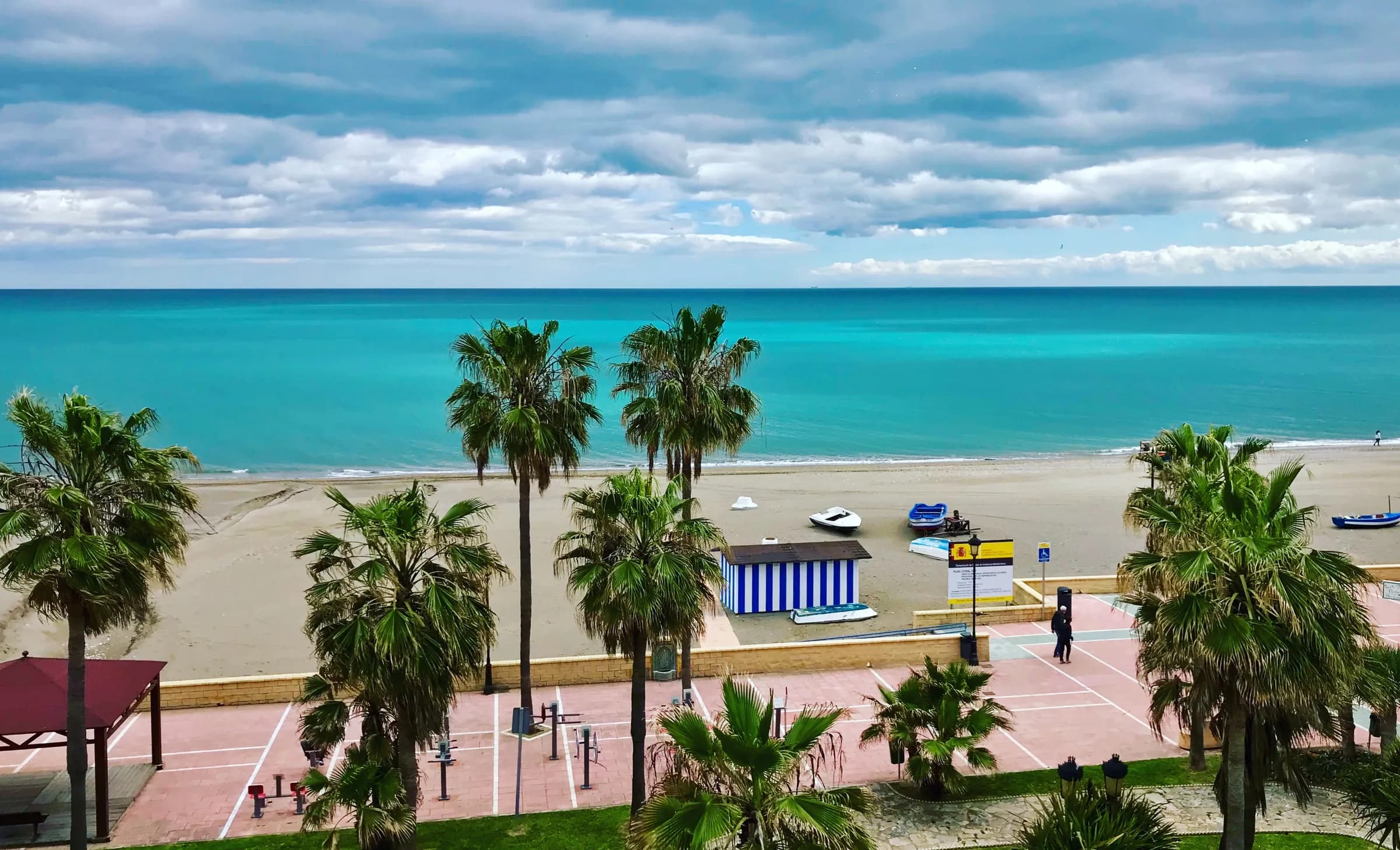
Stay Right on the Beach
The sand is 30 seconds from the door, and the balcony looks straight out at it. Book direct and save up to 20%.
- 3 Bedrooms
- 6 Guests
- 96 m²
Frequently Asked Questions
Related Articles
Flamenco in Málaga & Andalucía: Where It's Real
Where to see real flamenco in Málaga and across Andalucía: our picks from intimate tablaos and Estepona peñas to the legendary stages of Seville and Jerez.
Things to Do in Málaga: A Day Trip from Sabinillas
The best things to do in Málaga in a day from Sabinillas: Alcazaba, Picasso Museum, cathedral, the port and beaches, with prices, hours and how to get there.

Best Time to Visit the Costa del Sol: When to Go
Working out the best time to visit the Costa del Sol? A local's month-by-month verdict on the best season for beaches, day trips, low prices and fewer crowds.
The Local's Costa del Sol, Monthly
One email a month: what's on in Sabinillas, the best local finds, and first pick of apartment dates. Free welcome gift: our Sabinillas Insider Guide.
We respect your privacy. Unsubscribe at any time.
Comments
No comments yetHave a tip, a question or a correction? Every comment is read and approved by hand before it appears, usually within a day.
No comments yet. Be the first to share a tip or ask a question.