Why Seville from the Costa del Sol
Seville is the capital of Andalucía and the obvious big-city counterweight to a beach holiday. Most visitors reach it from Málaga to the east, but if you're based on the western Costa del Sol you're nearer the toll-free route in. It's one of the best day trips from the Costa del Sol, and the drive is straightforward.
One thing shapes everything below: Seville is doable in a day, but it isn't really a day-trip city. The things that make it worth the journey (late tapas, an evening flamenco show, Triana at dusk) all happen after the typical day-tripper has already started driving home. We've hosted guests at our beachfront apartment in Sabinillas for over a year, and the ones who stayed a night came back glad they did.
This guide covers the headline sights, where to eat, how to get there, what to book, when to go, and two ready-made itineraries: one for Seville in a day, one for a weekend.
Getting There from Sabinillas
The drive is about 215 km and takes roughly 2 hours 15 minutes. Head west on the A-7 towards Algeciras, pick up the A-381 (Los Barrios-Jerez), then the AP-4 motorway north into Seville. It's well-marked and traffic flows freely except on peak summer weekends.
By car
Budget for:
- Fuel: €20-30, depending on your hire car
- Tolls: none on this route (the AP-4 toll was abolished in January 2020)
- Parking: €15-20 for 24 hours in a car park
Parking inside the historic centre is genuinely difficult, so don't try. Leave the car at a dedicated car park on the edge of the old town: Jose Laguillo (near Santa Justa station) and Paseo Colón (by the river) are reliable, both around €15-20 for 24 hours. Everything central is walkable from either.
By train
If you'd rather skip Seville's traffic, take the train, but you'll have to reach a station first, and the nearest useful one is in Málaga, around 90 minutes east of Sabinillas. Direct services from Málaga María Zambrano to Seville Santa Justa take about two and a half hours and cost roughly €25-45 one-way if you book ahead. Add the drive or taxi to Málaga and it's a longer total journey than driving direct, but a far more relaxed one. We can sort a free car-hire referral if you need wheels to reach the station.
| Option | Door-to-door time | Rough cost | Best for |
|---|---|---|---|
| Drive direct | ~2h 15m | €30-40 (fuel + parking) | Flexibility, countryside, side trips |
| Train via Málaga | ~4h total | €40-70 (drive/taxi + ticket) | Avoiding city traffic and parking |
| Organised coach tour | 3-4h each way | €60-90/person | No planning, a guide, sights included |
Seville in a Day, or a Weekend?
You can visit Seville in a day from Sabinillas. Whether you should depends on your tolerance for driving.
A day trip is four-plus hours behind the wheel for six to eight hours in the city. That's enough to see the Alcázar, step inside the Cathedral, eat lunch and reach Plaza de España. You'll tick the boxes. You'll also be tired, and you'll miss the evening, which is when Seville is at its best.
One night changes the maths. You get an unhurried tapas dinner, a 22:30 flamenco show, Triana after dark, and a second slow morning before the drive home. Mid-range hotels run about €40-80 a night and characterful guesthouses in Santa Cruz €100-150, so the overnight needn't be expensive.
Our take: if you're staying with us and weighing up Seville, give it two days. Leave after breakfast, arrive mid-morning, explore, sleep over, enjoy a full second morning, then drive back. The full seville itinerary for both options is at the end of this guide.
The Top Things to Do in Seville
The Real Alcázar
A working royal palace that's still used by the Spanish royal family when they're in town, and the oldest in Europe. Behind the walls are tiled courtyards, carved plaster, fountains and gardens full of orange and palm trees. The Mudéjar palace section, built for King Pedro I in the 1360s, has the most extraordinary tilework. Game of Thrones fans will recognise the gardens as the Water Gardens of Dorne.
Entry: around €15.50 (reduced rates for students and over-65s; under-13s free). The Cuarto Real Alto, the upper royal apartments, is a separate timed visit at roughly €5.50 more. Allow two to three hours.
Book ahead. Numbers are capped and slots sell out days in advance in spring and summer. Buy from the official site, not a reseller.
When to go: the first slot of the day or after 15:00. The light on the tiles is best late, and the coach groups have usually moved on.
The Cathedral and La Giralda
The largest Gothic cathedral in the world by volume, and a UNESCO World Heritage Site. La Giralda, its bell tower, started life as the minaret of the 12th-century mosque that stood here before. You climb it not by stairs but by 35 gently sloping ramps, built wide enough for a guard to ride up on horseback, with a short flight of steps right at the top.
Entry: around €14 general, a little cheaper booked online; reduced rates available, and a guided rooftop visit costs more (check the official website). Allow 1.5 to 2 hours, tower included.
Inside: the tomb said to hold the remains of Christopher Columbus, carried by four heralds in bronze; the gilded main altarpiece, one of the largest in the world; and the view from the tower across the rooftops.
Heads-up: the tower clogs up mid-morning. Climb early or late.
Plaza de España
The showpiece square, built for the 1929 Ibero-American Exposition: a huge half-moon of brick and tile with a canal running along its base and four bridges representing the old kingdoms of Spain. Around the base are 48 tiled alcoves, one for each Spanish province, plus a couple for the Spanish-speaking territories of the day.
Entry: free, open all hours. Allow an hour or two.
What to do: walk the curve and find your favourite province tile, hire a rowing boat on the canal (around €6 for about 35 minutes, up to four people), and come back at dusk when it's floodlit. Note that the city has discussed introducing an entry fee to manage crowds, so it may not stay free indefinitely.
Photos: golden hour or after dark. Midday sun throws hard shadows across the alcoves.
The Barrio de Santa Cruz
The old Jewish quarter, now a maze of whitewashed lanes, hidden patios and balconies dripping with geraniums. There's no single sight here: the streets are the point. Wander without a map; you'll keep ending up back at the Cathedral, which makes it hard to get truly lost.
Worth a look on the edge of the quarter: the church of Santa María la Blanca, a synagogue until 1391 and now home to a lavish Baroque interior (free entry or a small donation).
Triana
Cross the Isabel II bridge (everyone calls it the Triana bridge) and you're in the barrio that gave Seville much of its flamenco, its ceramics and its bullfighters. It's earthier than Santa Cruz and better for an evening. Walk Calle Betis along the river for the classic view back across the Guadalquivir to the Torre del Oro, a 13th-century watchtower on the far bank.
If you like pottery, the small Centro Cerámica Triana is built over old kilns and is free to enter with a standard Alcázar ticket (otherwise a couple of euros). Triana is best on foot, late afternoon onwards, when the riverside bars fill up.
Metropol Parasol (Las Setas)
A vast timber canopy in the middle of the old city, nicknamed "the mushrooms". Opinion is split on whether it belongs here, but the rooftop walkway gives you a long view over the centre. Entry to the top is around €16 (reduced and child rates available); prices have risen sharply in recent years, so check setasdesevilla.com before you go.
Where to Eat in Seville
Seville is one of Spain's better-value cities for eating out. A plate of tapas and a drink runs €8-15 in plenty of places, and locals graze across several bars rather than sitting down to one big meal. Prices below are a guide and shift, so check the board before you order.
Tapas bars
La Brunilda has a strong claim to the best tapas in the city: small, inventive plates, and a queue to match. It's tiny, so go early or late.
Bodeguita Romero is the spot for montaditos de pringa, little rolls of slow-cooked pork, chorizo and blood sausage. Affordable, authentic, five minutes from the Cathedral.
El Rinconcillo, trading since 1670 and reckoned Seville's oldest tavern, does proper Sevillano food in a room of dark wood and painted tile. Order the espinacas con garbanzos (spinach and chickpeas) or carrillada (braised pork cheek).
Los Coloniales is a dependable, good-value all-rounder that locals use: no tourist-trap feel.
Fried fish
Freiduría El Arrecife, south of the centre in Tiro de Línea, is worth the detour for pescaíto frito, a heap of lightly battered, fried fish and seafood. Greasy in the best way.
A timing note
Dinner runs late here. Locals don't sit down until 21:00 or 22:00, and most tapas bars only fill up around 20:30. Eat at 19:00 and you'll have the place to yourself. (For how Spanish mealtimes work generally, see our tapas guide for Málaga.)
Save money: stand at the bar rather than taking a table: it's often cheaper, and the staff keep the plates coming. Eating tapas across two or three bars beats a sit-down restaurant on both price and quality.
Flamenco in Seville
Flamenco grew up in Andalucía, and Seville is one of its homes. If you do one thing in the evening, make it a tablao, an intimate flamenco show. There's no obligation to eat; most are an hour or so of singing, guitar and dance, with a drink included. For the background on the art form, read our guide to flamenco shows across Andalucía.
Casa de la Memoria
A long-running cultural venue in a former palace house, with one of the most respected programmes in the city. Small room, serious performers, no dinner-and-show gimmickry. Around €24 a ticket. Book ahead: it sells out.
Tablao Flamenco El Arenal
The veteran option, running since 1975 in the theatre district near the Maestranza bullring. Strong dancers and full production; a touch more touristy, but the standard holds up. Roughly €45 a head including a drink, with tapas and dinner packages on top. Several shows nightly.
Budget option
A handful of smaller tablaos near the Cathedral sell tickets from around €15. Quality varies, but if money's tight, it's a fair introduction.
Booking: reserve online or ask your hotel. Walk-ins are possible but risky in high season.
What to expect: 60 to 75 minutes of performance, a drink, then out. It's a show, not a meal, though several venues bolt on a dinner package if you'd rather make a night of it.
Practical Information
| Detail | Info |
|---|---|
| Distance from Sabinillas | ~215 km (about 2h 15m by car) |
| Best time to visit | April-May or late September-October |
| Parking | €15-20/day in car parks on the edge of the centre (Jose Laguillo, Paseo Colón) |
| Real Alcázar | ~€15.50, book online, allow 2-3 hours |
| Cathedral & Giralda | ~€14 (a little less online), allow 1.5-2 hours |
| Plaza de España | Free, open all hours |
| Flamenco show | ~€15-45 depending on venue, most include a drink |
| Tapas meal | €8-15 per person with a drink |
| Walking shoes | Essential: the old town is cobbles and narrow lanes |
| Language | English in tourist areas; a little Spanish helps in small bars |
A Ready-Made Seville Itinerary
Seville in a day (the day trip)
- 08:00: Leave Sabinillas, breakfast on the road
- 10:30: Arrive, park at Jose Laguillo
- 11:00: Real Alcázar (pre-booked timed entry)
- 14:00: Lunch: montaditos at Bodeguita Romero
- 15:30: Wander the Barrio de Santa Cruz
- 17:00: Cathedral and the climb up La Giralda
- 18:30: Plaza de España, with a café stop as the light softens
- 20:00: Early tapas in Santa Cruz or Triana
- 21:30: Drive back (home around midnight)
Verdict: full-on and tiring, but a real seville day trip is doable if you start early.
Two days, one night (recommended)
- Day 1: Afternoon arrival, Santa Cruz and Triana on foot, tapas dinner, early night
- Day 2: Alcázar at opening, Cathedral, Plaza de España, lunch, then a late flamenco show (22:30) and dinner after
- Day 3: Slow morning, a last wander through Triana, lunch, and back to Sabinillas by 16:00
This pace lets you enjoy the city rather than race it.
Planning Your Seville Visit
Seville rewards a bit of time and a little forward planning. A few last pointers:
Make it a loop. If you're hiring a car for a few days anyway, use Seville as a base for more of inland Andalucía: on to Granada for the Alhambra (about 3 hours) or Ronda (about 2.5 hours) for the gorge and white villages. Plenty of our guests split the week between beach and culture and call it the right balance. Our car-hire guide for the region has the tips worth knowing before you book.
Accommodation: mid-range hotels run €40-80, characterful guesthouses in Santa Cruz €100-150-plus. Book a week or two ahead in high season, and well ahead for Semana Santa or the Feria de Abril.
What to bring: comfortable shoes (non-negotiable on the cobbles), sun protection, a light scarf for covered shoulders in churches, and a refillable water bottle, as Seville has public drinking fountains.
Language: you'll manage in English in tourist areas, but a few Spanish words go a long way in the smaller bars.
Sabinillas makes a relaxed coastal base for all of this: our complete guide to Sabinillas covers the town in full. Check dates and book the apartment, plan your Seville trip, and come back to the beach when you've had your fill of city heat.
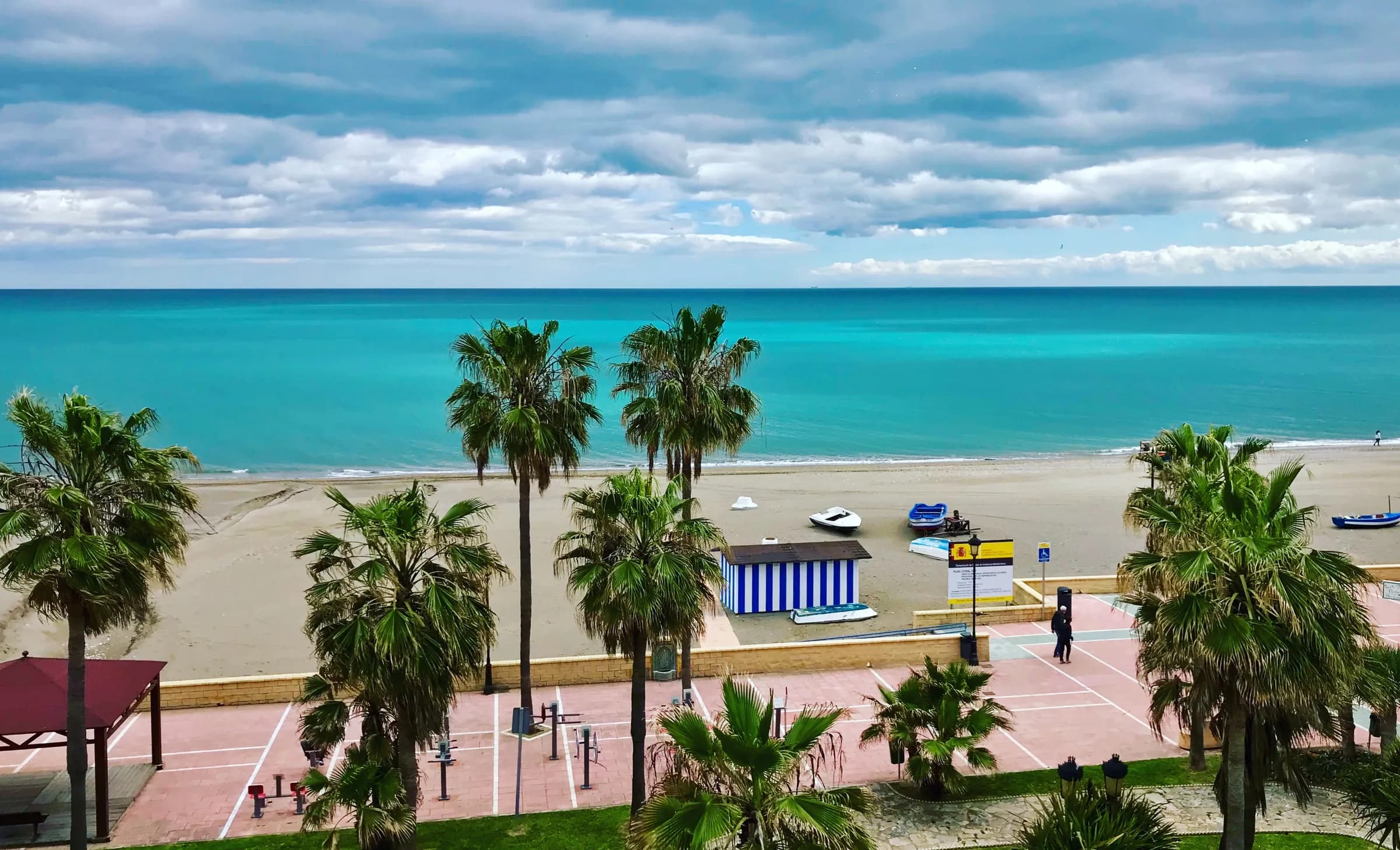
Stay Right on the Beach
The sand is 30 seconds from the door, and the balcony looks straight out at it. Book direct and save up to 20%.
- 3 Bedrooms
- 6 Guests
- 96 m²
Frequently Asked Questions
Related Articles
Flamenco in Málaga & Andalucía: Where It's Real
Where to see real flamenco in Málaga and across Andalucía: our picks from intimate tablaos and Estepona peñas to the legendary stages of Seville and Jerez.
Alhambra Tickets & Granada: A Day Trip from the Coast
How to book Alhambra tickets, what to see, and the best things to do in Granada on a day trip from Sabinillas and the western Costa del Sol.

Ronda Day Trip from Sabinillas: Things to Do & Itinerary
A Ronda day trip from the Costa del Sol: the best things to do, where to eat, how to get there from Sabinillas or Málaga, and a full one-day itinerary.
The Local's Costa del Sol, Monthly
One email a month: what's on in Sabinillas, the best local finds, and first pick of apartment dates. Free welcome gift: our Sabinillas Insider Guide.
We respect your privacy. Unsubscribe at any time.
Comments
No comments yetHave a tip, a question or a correction? Every comment is read and approved by hand before it appears, usually within a day.
No comments yet. Be the first to share a tip or ask a question.