What Makes Málaga's Tapas Culture Unique
You cannot understand Málaga without understanding tapas. In Madrid or Barcelona, tapas are something you do. In Málaga, they are something you are. They are woven into the rhythm of everyday life: the late-morning drink with colleagues, the informal dinner where nobody sits down, the reason strangers end up deep in conversation at a crowded counter.
The culture here is fiercely democratic. A builder ordering a beer stands next to a man in a suit, both eating identical plates prepared with the same care. There are no bad tapas bars in Málaga, only bars where locals eat and bars where tourists eat.
Málaga sits where three food traditions overlap: the seafaring coast (espetos and fritura malagueña), the agricultural heartland of Andalucía (cold soups and jamón), and the long Moorish legacy (almonds in everything from soup to meatballs). Walk into a bar here and you are tasting centuries of that overlap. If you are basing yourself further down the coast, our guide to restaurants in Sabinillas covers the same local dining culture on a village scale.
Tapas vs Ración: The One Rule That Saves You
Get this straight before you order and the rest takes care of itself. Three sizes, same kitchen:
- Tapa: a small individual portion. For tasting, grazing, or sharing one bite each. €2-6.
- Media ración: a half plate. Good for two people who want a proper go at one dish.
- Ración: a full plate, enough to be a small meal for one. €8-15.
The classic tourist mistake is ordering six tapas each because the word sounds like "a little snack", then drowning in food. The classic local move is one or two tapas per bar, then moving on. If a bar is rammed and you genuinely want to eat your fill in one spot, raciones are the right choice. If you want to crawl and graze, order tapas and pace yourself; there's another bar 100 metres away.
A quick vocabulary kit for the counter: una caña (small draught beer), una copa de vino (glass of wine), un fino (dry sherry), agua (water), la cuenta (the bill), and ¿qué me recomienda? ("what do you recommend?"). For more, see our Spanish phrases for tourists.
The Seafood Tradition: What the Catch Brings
The Mediterranean does the heavy lifting in Málaga. If it swims, it gets fried, grilled, or turned into a tapa. The city's fishing heritage runs so deep that the central market, Atarazanas, has supplied restaurants since the 1870s.
Boquerones fritos (fried fresh anchovies) are possibly the single most-ordered tapa in Málaga. Delicate little fish, dusted in flour and fried until the skin crackles and the flesh stays tender. A squeeze of lemon, a pinch of salt, gone in one bite. At €3-5 a plate they're cheap, best from spring through autumn, and a genuine test of a kitchen. Don't confuse them with boquerones en vinagre: the same fish, but cured raw in vinegar and garlic and served cold. Both are excellent; know which you're ordering.
Fritura malagueña is the city's flagship: a mixed platter of whatever the boats brought in: boquerones, salmonetes (red mullet), puntillitas (baby squid), chopitos, a few rings of calamari. All floured and fried in olive oil until golden. It's loud on the plate: crunchy, salty, uncompromising. Not every visitor loves it on first bite. Every local considers it essential.
Gambas al ajillo (prawns in garlic oil) are the treat-night tapa. Fat prawns in a sizzling earthenware cazuela, swimming in olive oil with sliced garlic and a whisper of chilli. Eat them with a wooden pick and bread to mop the oil. They cost more (€7-12) but feel indulgent without pretension.
Espetos de sardinas are technically beach food, not a bar tapa, but they're so central to Málaga's food identity that no guide can skip them. Fresh sardines threaded onto a cane skewer and grilled over a driftwood fire in a sand-filled boat hull. You find them at the chiringuitos (beach bars), not in the city centre, but the principle is the same: maximum flavour, minimum fuss. Usually €4-8 per skewer, and best from May to September when the sardines are fat ("the months without an R", as the saying goes). For the full ritual, read our guide to Sabinillas chiringuitos.
Pro tip: Málaga's best seafood tapas are in the bars inside or beside the Atarazanas market. Bar Mercado Atarazanas, just inside the main entrance, serves fritura within metres of where the fishmongers work. Arrive at 10:00 or after 13:30 to dodge the lunchtime crush, and note the fish hall is quietest (and the catch oldest) on a Monday.
The Meat & Tradition Tapas
Not everything in Málaga swims. Andalucía has a fierce pork heritage, and jamón runs right through the tapas scene.
Jamón ibérico, sliced paper-thin, arrives draped over a small plate, sometimes with a wedge of manchego and a smear of quince paste. The salt-cured, nutty depth of good jamón is unmistakable. A plate runs €5-10 depending on the grade; jamón ibérico de bellota, from pigs that forage on acorns, is the top tier and worth the jump if you see it. Bars won't always advertise it; just ask.
Croquetas de jamón are small, creamy cylinders of ham in a crisp golden shell. They should be light and molten inside, never dense and stodgy. Good croquetas (€2.50-4) are featherweight. La Tranca, an old-town favourite, is known for exactly this; locals order them by the round.
Albóndigas (meatballs) come in a dark, rich sauce, traditionally ground pork bound with almonds and simmered in a Málaga-wine reduction. That almond note is the Moorish fingerprint all over Andalusian cooking. Three or four generous meatballs to a plate, €4-6.
Rabo de toro (oxtail stew) is winter food, but good bars run it year-round. Oxtail braised for hours until it slides off the bone, served in a little cazuela. Comfort on a fork, €4-6 as a tapa.
The Cold Soups: Málaga's Secret Advantage
Málaga's two signature cold soups aren't well known outside the region. They should be. Both exist because Andalucía is hot, bread is plentiful, and nothing here gets wasted.
Ajoblanco means "white garlic": bread, almonds, garlic, vinegar and olive oil blended into a chilled, silky soup, usually garnished with white grapes and a final thread of olive oil. It sounds odd. It tastes like a revelation: nutty, cold, restorative, unlike anything else. Most bars serve it from late spring onward. €2.50-4.
Porra antequerana is the thicker, heartier cousin of salmorejo. Ripe tomatoes, day-old bread, garlic and good olive oil mashed (historically with a porra, a wooden pestle) into a dense, creamy purée, topped with diced Serrano ham and chopped egg. Summer in a bowl, €3-4. Both soups reflect the deep agricultural roots of Andalusian food, where seasonal simplicity wins.
Order either when the thermometer is climbing past 30°C and the bar is cool and tiled. They do something no other dish does: they put you back together.
What to Drink: Don't Default to a Beer
A caña is fine. But Málaga has its own glass, and ordering it well marks you out from the table of tourists nearby.
- Fino or manzanilla: bone-dry chilled sherry, the classic partner for fried fish and olives. Crisp, saline, around €2.50-3.50.
- Vino dulce de Málaga: the city's famous sweet wine from sun-dried Pedro Ximénez and Moscatel grapes. Dark, raisiny, served in a small glass, often after food. A taste of local history in one sip.
- Vermut de grifo: vermouth on tap, the quintessential pre-lunch aperitivo, usually with a slice of orange and an olive. La Tranca pours a good one.
- Cerveza: Victoria, Málaga's own lager (the slogan Malagueña y exquisita is on every other wall), or a Cruzcampo from over in Seville.
If you only try one local thing in your glass, make it the sweet Málaga wine; it's the same wine the barkeepers once covered with a saucer of food to keep the flies off, which is, depending on who you ask, where the word tapa (from tapar, "to cover") comes from.
Where to Eat the Best Tapas in Málaga: Five Essential Bars
A note before you go: these are all real, established places we'd send a friend to. But Málaga's bar scene shifts, and a bar coasting on its name can dip; trust a busy counter of locals over any list, including this one.
El Pimpi (Legendary, Old Town)
Not a secret; probably Málaga's most famous bodega. It fills an 18th-century townhouse on Calle Granada, steps from the Roman Theatre and the Alcazaba, and counts Antonio Banderas among its shareholders. The walls carry signatures and photographs of celebrities, politicians and writers going back to its founding in 1971.
The space is loud, busy and electric. Stand at the bar or take the terrace facing the Roman Theatre. The jamón is excellent and the wine list leans hard into local Málaga bottles you won't easily find elsewhere. Three or four tapas, a wine and water comes to €20-35 a head. Yes, it's a tourist experience, but a good one, and locals still turn up.
Address: Calle Granada 62. Open from around midday daily until late. Arrive before 13:00 or after 20:00 for a seat.
La Tranca (Atmosphere, Centre)
A small, gloriously chaotic tasca near Calle Carretería, on the edge of the Soho district. Old Spanish music, handwritten menus, vermouth on tap, and a crowd three-deep by 9pm. The croquetas are the headline (light, molten, ordered in rounds) and the meatballs are a close second.
You'll have to elbow in and shout your order. That's the point. Cheap and cheerful: most tapas €2.50-4, and you can eat and drink well for €12-18 a head. Go early or be patient.
Address: Calle Carretería 92. Open daily, typically from 13:00 until very late.
La Farola de Orellana (Historic, Intimate)
A tiny bar that has held the same spot in the old town since 1938. It fits maybe twenty people standing, mostly locals. The speciality is roast lamb, carved at the counter in front of you, alongside cult dishes like caracoles (snails in a spiced broth) and papas mala leche (spicy potatoes). Dark wood, vintage photos, and the smell of meat over fire.
You order by pointing and you keep it simple. This is the real thing, recently recognised with a Guía Repsol Solete. Expect €3-5 per tapa, €12-18 a head for several plates.
Address: Calle Moreno Monroy 5 (a short street in the old town). Open daily; hours vary, roughly midday to late afternoon and again in the evening.
Bar Mercado Atarazanas (Market-Fresh, Working-Class)
The Atarazanas market is an iron-and-glass hall from the 1870s, built around a surviving 14th-century Nasrid gateway, and it still works exactly as intended: a live fish, fruit and veg market, Monday to Saturday, 08:00-15:00. The bars cluster by the entrance, ringed by fishmongers and produce stalls.
The seafood here is as fresh as it gets, often landed that morning: boquerones, squid, prawns, fritura, whatever the boats brought. By 13:00 it's packed with workers on their lunch break, traders between shifts and, increasingly, tourists who've found it. €2-4 per tapa, and a glass of cold fino to wash it down.
Address: Mercado de Atarazanas, Calle Atarazanas 10. Open 08:00-15:00 Monday-Saturday only (fish hall closed Mondays).
Mesón Lo Güeno (Local Favourite, Since 1967)
This one has served Málaga tapas for over 55 years, rare in a city where bars come and go. The food is simple and good: boquerones, jamón, meatballs, stone-grilled meat, seasonal fish. Neighbourhood in feel rather than touristy, though it's better known now than it was. The original sits on Calle Marín García; a larger second branch with a terrace is round the corner on Calle Strachan.
Expect €3-5 per tapa, €15-20 a head.
Address: Calle Marín García 9 (flagship since 1967; second branch on Calle Strachan 12). Open roughly midday-16:00 and from 19:30 in the evening.
| Bar | Location | Speciality | Average Cost/Tapa | Best Time |
|---|---|---|---|---|
| El Pimpi | Old Town (Calle Granada) | Jamón ibérico, local wine | €5-8 | 13:00 or 20:30+ |
| La Tranca | Centre / Soho | Croquetas, vermouth | €2.50-4 | From 13:00 (early!) |
| La Farola de Orellana | Old Town | Roast lamb, caracoles | €3-5 | 12:00-14:00 |
| Bar Mercado Atarazanas | Atarazanas Market | Fresh seafood, fritura | €2-4 | 10:00-13:00 |
| Mesón Lo Güeno | Central (Marín García) | Mixed grilled fish | €3-5 | 12:00-15:00 |
How Tapas Culture Works
Málaga's way of eating is fundamentally different from how most northern Europeans approach a meal. It isn't hierarchical. There's no booked table, no fixed courses, no "ordering" in the sense you might expect. Here's how it runs. (The same relaxed philosophy turns up across food culture throughout Andalucía.)
The stand. You arrive around 13:00 or 20:30, the two social windows. You stand at the counter. You order a small drink: a caña (€1.50-2.50), a copa of wine (€2.50-3.50), or a fino (€2.50-3.50). You don't order food yet.
The appearance. Point at the chalkboard or the glass cabinet, ask for one or two tapas with your drink, and small plates land in front of you, often straight onto the bar. The first tapa sets the tone. (Remember: unlike Granada, Málaga charges for tapas (usually €2-5), and only a few old-school bars still gift one free.)
The conversation. People talk. Strangers become temporary friends. Someone beside you might tip you off about the next bar, the next dish, or a street corner where something is happening.
The movement. You finish your drink and your one or two plates (usually 30 minutes to an hour in a bar), then move on to the next one, a hundred metres away. Repeat.
The cost. A proper crawl of four bars, two or three drinks at each, tapas throughout, comes to €15-25 a head. Remarkable value for being fully inside Málaga's food culture rather than watching it from a table.
This is why so many guidebooks get tapas wrong. Tapas are not a "meal" you reserve for. They're a social ritual. The food matters, but the standing, the conversation and the continuity of being out in public with everyone else doing the same thing: that's the real dish.
For families: bring children to the lunch window (13:00-15:00) rather than the late-evening one. Bars are calmer, the pace is gentler, and it's easier with little ones. Most places welcome children, but not all have high chairs or kids' menus, so go in expecting adult food in smaller portions, and you'll be fine. For more, see Costa del Sol with kids.
Local Tapas Near Sabinillas (No Trip to the City Needed)
You don't have to drive to Málaga for a good tapa. The western Costa del Sol has its own version of the ritual, with a fraction of the crowds and prices that haven't crept up the way the city's have.
In Sabinillas itself, the seafront promenade is lined with bars and chiringuitos where the espeto comes straight off the beach fire and the boquerones come from the day's catch. La Duquesa marina, a five-minute drive, adds a string of waterside terraces for a sundown copa with something fried. For where to point yourself, our local picks in Sabinillas and the chiringuitos guide do the legwork. The grammar is identical to Málaga's (order a drink, order a little food, stay a while, move on), just with sand underfoot instead of cobbles.
Getting to Málaga from Sabinillas
Málaga city is about 100 km north-east of Sabinillas, roughly 1 hour 15 minutes by car. The free A-7 coastal autovía runs the whole way; the parallel AP-7 toll road is faster in summer traffic but pricey; expect €10-20 for the full run depending on season. Parking in the centre is doable but tight at peak times; aim for a central car park such as one of the underground ones near Calle Larios (around €15-24 a day) rather than chasing a street space.
If you'd rather not drive (sensible, given you'll want to drink), take the train. Drive to Fuengirola (about 50 minutes from Sabinillas) and pick up the Cercanías C-1, which runs to Málaga Centro-Alameda every 20 minutes, a 46-minute ride, from roughly 05:20 to 23:30. It drops you a short walk from the Atarazanas market and the old town. For the full picture of getting around the coast, read our transport and airport transfer guide.
Planning Your Málaga Tapas Day
The scene is alive and evolving. Younger bartenders are reworking the classics; the bars that have held the same address for thirty-plus years are getting rarer and more precious. Both are worth your time.
Go with no real plan beyond wandering the central neighbourhoods (around Calle Larios, the old town, the Atarazanas area) and following the crowds into bars that feel busy and real. Your best plates will come from places you stumble into, not places you pencilled in. It's the same instinct that pays off when you're hunting down hidden beaches along the coast: trust the locals, not the listings.
If you're coming over from Sabinillas for the day, build it around a late lunch of tapas (start about 13:00), then the Alcazaba or the Picasso Museum in the cooler late afternoon, then a final round of bars from around 20:30. Our Málaga city day-trip guide covers the sights; tapas are the thread that ties them together.
We've been hosting guests at our beachfront apartment in Sabinillas for a couple of years now, and the question we hear most in July and August is, "Is there anything to do besides the beach?" Málaga is the answer: close enough for a day out, distinct enough to feel like a proper city, and good enough at the table that you'll leave already planning the next visit. For the fuller picture of Sabinillas, including its own food scene, see our complete guide to Sabinillas.
Want a hand planning a day that pairs Málaga's tapas with its sights? Check our available dates and book your stay; we'll happily share recommendations and the easiest way to get there, or sort your airport transfer.
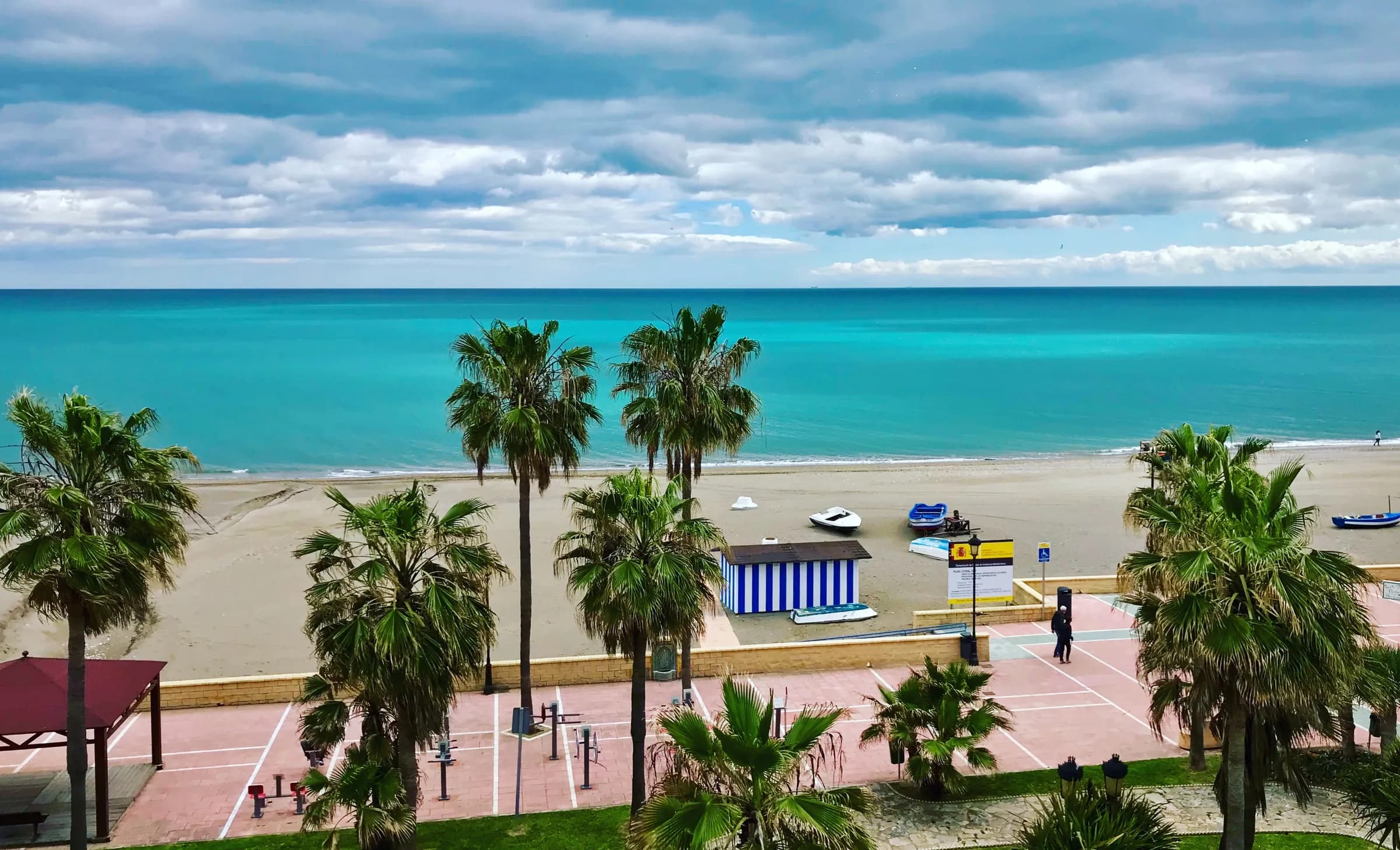
Stay Right on the Beach
The sand is 30 seconds from the door, and the balcony looks straight out at it. Book direct and save up to 20%.
- 3 Bedrooms
- 6 Guests
- 96 m²
Frequently Asked Questions
Related Articles
Things to Do in Málaga: A Day Trip from Sabinillas
The best things to do in Málaga in a day from Sabinillas: Alcazaba, Picasso Museum, cathedral, the port and beaches, with prices, hours and how to get there.
Chiringuitos on the Costa del Sol: Sabinillas Guide
A local's guide to the best chiringuitos on the Costa del Sol around Sabinillas and Manilva: where to eat espetos on the beach, what to order, and prices.
Restaurants in Sabinillas: Where Locals Eat
A local guide to restaurants in Sabinillas and Manilva: the best chiringuitos, tapas bars and seafood spots, with prices and walking distances.
The Local's Costa del Sol, Monthly
One email a month: what's on in Sabinillas, the best local finds, and first pick of apartment dates. Free welcome gift: our Sabinillas Insider Guide.
We respect your privacy. Unsubscribe at any time.
Comments
No comments yetHave a tip, a question or a correction? Every comment is read and approved by hand before it appears, usually within a day.
No comments yet. Be the first to share a tip or ask a question.