If you've arrived on the western Costa del Sol and you're looking beyond Sabinillas for variety, the Estepona beach scene offers a different flavour altogether. We've spent countless afternoons working our way along this coast, and the lesson is always the same: these beaches, separated by just a few kilometres, each have their own character. The beach that's perfect for a quiet morning swim is the wrong choice for an afternoon with three over-tired children. This guide steers you to the right sand for your mood, your group and the time of day.
What Makes This Stretch of Coast Different From Marbella?
The beaches around Estepona sit at the quieter, less-developed western end of the Costa del Sol. Unlike the sprawl of Marbella further east, this stretch has resisted over-commercialisation. You won't find high-rise hotels casting a shadow over the sand. What you will find is the real thing: Spanish families on Sundays, fishing boats hauled up in the morning, proper chiringuitos run by people who've cooked there for decades.
The water is calmer than you might expect, sheltered by the lie of the coast. The sand shifts from pale gold to fine grey depending where you stand. And the air smells of the sea rather than sunscreen and synthetic tourism.
We host guests from across Europe at our apartment in Sabinillas, and the ones who've done both Marbella and Estepona always ask the same question: why isn't this place busier? The answer is simple. It hasn't been packaged and sold to the world yet. It's still Spain.
Which Estepona Beaches Have a Blue Flag in 2026?
None of them. For the 2026-2027 award period, Estepona's beaches don't appear on ADEAC's official Blue Flag list, though the town's Puerto Deportivo marina keeps its own flag. It isn't a water-quality story: the beaches are still tested regularly, the summer lifeguards are still on the sand, the showers still work. It's a certification gap on the beaches, not a pollution problem.
If you'd rather have a Blue Flag underfoot, head a few minutes west into Manilva, which flies three for 2026: Sabinillas beach, Las Gaviotas (beside La Duquesa marina) and the Puerto de la Duquesa marina, now in its 28th consecutive year with the award. So right now, on this whole run of coast, the flags fly at Sabinillas and Las Gaviotas beaches plus both marinas, not on any Estepona beach itself. That's a certification detail, though, not a reason to skip Cristo or Saladillo; we still rate both highly.
Playa del Cristo: Estepona's Best Beach for Families
Playa del Cristo is Estepona's best beach for families because its small, teardrop-shaped cove keeps the water calm and shallow. It's the first beach you reach approaching Estepona from the south, tucked just west of the marina, and that sheltered geography is the whole point. A breakwater and the curve of the bay keep the water calm and a touch warmer than the open sea, so swimming feels effortless rather than a wrestling match with the swell. For nervous swimmers and small children, this is the gentlest entry on the whole stretch.
Behind the sand runs a tidy little promenade with two chiringuitos, wooden boardwalks and good signage. The sand is the coast's typical fine dark gold. Snorkel near the rocks at either end and you'll see fish. In summer the whole cove has an easy, family-Sunday energy without ever feeling packed.
The sheltered water makes it ideal for stand-up paddleboarding and kayaking; beginners find their balance fast when there's no chop to fight. Rentals operate on the sand in season. Sea temperature sits around 22°C in high summer and drops to roughly 15°C in winter, still swimmable if you're the hardy type.
Parking is the catch. There's a free car park behind the cove, reached by a narrow lane off the roundabout just west of the marina, but it's small and chaotic by mid-morning in summer. Arrive before 11:00 or after 15:00, or park a little further out and walk in.
Where to Eat at Playa del Cristo
The two chiringuitos right on the sand do the job you want a beach bar to do: grilled fish, espetos (sardines skewered and cooked over a wood fire), cold beer, no rush. Reckon on €30-50 per person for a proper sit-down lunch with wine. Less if you stick to a sardine skewer and a caña. The art of these places is that nobody brings the bill until you ask for it; settle in.
Pro tip: Hit any chiringuito before 13:00 or after 15:00. The Spanish lunch rush from roughly 13:00 to 15:00 is hectic. Either side of it you get relaxed service, a table with a view, and the genuine local crowd.
Playa de la Rada: The Town Beach
Next door to Cristo, Playa de la Rada is Estepona's main town beach and it shows. The facilities are comprehensive, the lifeguard towers obvious, the children's play area properly maintained. Sun loungers and umbrellas hire out all summer, the showers and toilets are numerous and clean, and the promenade behind is busier: more restaurants, more people, more going on.
It runs a serious distance: over 2.5 km, from near the port right through the town centre to the eastern edge. That length is its secret weapon: even on a heaving August Saturday you can walk five minutes and find a calmer stretch of dark, fine golden sand. The water is gentle and good for swimming.
For families who want full facilities without venturing anywhere unfamiliar, La Rada is the safe, sensible choice. Spanish families pile in here on weekends, which tells you most of what you need to know.
Playa de Guadalobón & Playa del Saladillo: The Quieter Options
On Estepona's western edge, the side facing Sabinillas, the crowds thin the moment you leave the town beaches. Playa de Guadalobón is the first escape hatch, off the tourist trail and the better for it. It's backed by homes and apartments rather than bars, so there are no chiringuitos and no lounger hire. You bring what you need and you get the peace in return. The sand is darker and mixed with fine gravel, the open sea throws up a moderate wave on breezy days, and there's nothing built up about it. Perfect or disappointing, depending entirely on what you came for. Want a drink or a bite? You'll be driving back into town.
Playa del Saladillo sits the other way, about 10 km northeast of Estepona town towards San Pedro, and it's a bigger, longer beach altogether, running close to 3 km. The sand here has a distinctive fine, greyish tone, quite different from the gold beaches near town. Behind it lies the Dunas de El Saladillo-Matas Verdes, a protected dune and pine system of real ecological value that shields the beach from the urbanisations behind and throws welcome shade on a long summer day. The seagrass meadows offshore keep the water genuinely clear.
Saladillo isn't undeveloped: there are showers, toilets and a couple of chiringuitos (Pepe's is the long-standing local favourite), but it's never overrun. Families love it because the long flat sand is made for ball games and bucket-and-spade afternoons, and the quieter feel means you can switch off. Jet ski hire is around for anyone wanting a bit of noise.
Parking at both beaches is free and easy. Saladillo in particular fills far slower than the town beaches, so it's a good shout on a busy weekend.
Sabinillas Beach: Our Local Favourite
Since we live here, and our apartment is a 30-second walk from the sand, it would be daft not to mention Sabinillas Beach. It runs between Playa de Guadalobón and La Duquesa marina, and it has the feel of a working fishing-village beach rather than a tourist beach, which is exactly why we love it.
The sand is darker than Estepona's: a signature dark gold cut with slate. The beach stretches about 1.5 km and has genuine local life: Spanish families, fishermen, kids on bikes along the promenade. The water is calm, and the beach carries a 2026 Blue Flag, one of only two in Manilva, alongside Las Gaviotas. Facilities cover the essentials: showers, summer lifeguards, lounger hire and a children's zone.
The promenade behind is all locally run chiringuitos and restaurants. Espetos are the order of the day here: roughly €5-7 a skewer, cooked over the wood fire while you wait. That woodsmoke drifting across the sand is the actual smell of summer on this coast.
For our guests, Sabinillas is the obvious first swim: literally a 30-second stroll. But even if you're based in Estepona, it's only a 5-8 minute drive, and we think the authenticity is worth the short hop. Still deciding which of the two towns to stay in? Our Sabinillas vs Estepona comparison sets them side by side.
Read our full Sabinillas beach guide for the detail, and our pick of the best chiringuitos in Sabinillas for where to eat.
Good to know: Sabinillas has street parking rather than formal car parks, so it can fill on a summer Saturday. Weekdays are calm. Before 10:00 it's always quiet, and after 17:00 the day-trippers clear out and it's at its loveliest.
What Beaches Are Near La Duquesa Marina?
A 15-20 minute stroll along the promenade from Sabinillas brings you to La Duquesa marina, a different atmosphere again. This is a purpose-built marina of restaurants, boat trips and water sports rather than a wild beach. But alongside it, Las Gaviotas beach runs about 1.6 km, with a moderate wave and silica-slate sand, and it holds one of Manilva's 2026 Blue Flags.
Facilities are excellent: chiringuitos, lounger hire, accessible ramps and lifeguards. Parking is generous, with a big free open car park by the marina, which makes it far less stressful than the Estepona town beaches on a busy day. The crowd is a mix of families and visitors staying around the marina: busier than Guadalobón, quieter than Estepona town. The marina itself rewards a wander: waterside restaurants and boat trips depart from here.
From Sabinillas you can simply walk the promenade, or drive in a few minutes. Our full La Duquesa marina guide has the restaurant picks.
How Do Estepona's Beaches Compare?
Pick by beach type, not name. This table lines up the best beaches from Estepona west to Manilva so you can match the sand to your day:
| Beach | From Sabinillas | Best for | Sand | Crowds | Parking | Facilities | Blue Flag 2026 |
|---|---|---|---|---|---|---|---|
| Playa del Cristo | 15 km (15 min) | Families, sheltered swim | Dark gold | Moderate | Free (small) | Excellent (2 chiringuitos, rentals) | No |
| Playa de la Rada | 12 km (15 min) | Facilities, town buzz | Dark gold | Busy | Free / street | Excellent (lifeguards, play area) | No |
| Playa de Guadalobón | 9 km (12 min) | Peace, quiet swim | Dark / gravel | Very low | Free | Minimal (beach only) | No |
| Playa del Saladillo | 22 km (25 min) | Nature, wildlife, families | Grey | Low | Free | Good (showers, chiringuitos) | No |
| Sabinillas | At your door | Local vibe, espetos | Dark gold | Low-mod | Street | Good (rentals, lifeguards) | ✓ |
| Las Gaviotas (La Duquesa) | 1.5 km (walkable) | Marina vibe, boat trips | Slate | Moderate | Free | Excellent (restaurants, rentals) | ✓ |
How Do You Get to the Estepona Beaches From Sabinillas?
Every beach here is within 25 minutes of Sabinillas by car. The A-7 coastal road links them all: no tolls, light traffic outside summer weekends, and everything signposted, so you barely need the satnav.
- Playa del Cristo: north on the A-7 towards Estepona; signed clearly as you enter the town. About 15 minutes.
- Playa de la Rada: same road, carry on into the town centre. 13-16 minutes.
- Playa de Guadalobón: Estepona's near (western) side, just off the A-7 before the town.
- Playa del Saladillo: keep going past Estepona towards San Pedro: the furthest, around 25 minutes.
- Las Gaviotas / La Duquesa: south on the A-7 towards Gibraltar; the marina is signed. 6-8 minutes.
By Bus (No Car Needed)
You don't have to hire a car for an Estepona beach day. The coastal bus run by Avanza/Portillo links Sabinillas and the Puerto de la Duquesa with Estepona town in roughly 20-25 minutes for a couple of euros, dropping you a short walk from La Rada. Timetables shift by season and the service is a handful of runs a day rather than turn-up-and-go, so check the current schedule the night before, and note the last bus back is usually early evening. For Playa del Cristo, Guadalobón or Saladillo, which sit away from the main road, a car is genuinely easier.
Save money: If you're planning several beach days across the area, car hire pays off fast: roughly €25-40 a day off-peak, which beats €10-15 each way in taxis. Most firms operate from both Málaga and Gibraltar airports. Our Costa del Sol car hire tips cover the gotchas.
When Is the Best Time to Visit Estepona's Beaches?
The single biggest variable on this coast isn't which beach; it's when you go.
June and September are the sweet spot. The sea sits around 21-23°C, the days are warm, and the crowds are a fraction of August. If you can pick your dates, pick these.
July and August are hot and busy. August is the big one: Spanish families take their holidays then, so weekends fill and the midday sun is brutal. Be on the sand by 10:00 or save it for after 17:00, and never underestimate the shade situation: the dunes at Saladillo and the boardwalk chiringuitos are your friends.
May and October are glorious for promenade walks and long lunches, with quiet beaches, but the sea is cooler and only the committed swim for long.
Winter is underrated. Bright, mild, near-empty sand, perfect for a barefoot walk and a coffee at a chiringuito that's still open. Sea temperatures drop to around 15°C, so swimming is for the brave.
Family note: For a day out with kids, set up at Cristo, La Rada or Sabinillas: calm water, lifeguards and full facilities. Pack a shade umbrella and more water than you think you need; the sun is serious here even in spring. Our Costa del Sol with kids guide has more. For a proper beach-club day, our guide to family beach clubs covers every option from Sotogrande to Marbella.
Which Estepona Beach Should You Choose?
The smart move is to choose your beach type, not a name on a map. Between them, these six beaches cover every mood within a 25-minute drive of Sabinillas.
Want calm water and full facilities? Cristo or La Rada: near enough interchangeable, the choice coming down to a smaller sheltered cove (Cristo) versus a longer, livelier town beach (La Rada).
Want quiet and authenticity? Sabinillas is steps from our apartment, or Guadalobón for near-total peace.
Want to mix beach with shopping, restaurants and boat trips? La Duquesa marina rolls all three into one afternoon.
And if you're staying at our beachfront apartment in Sabinillas, you get the best of it: test the morning water at your doorstep, then if you fancy a different beach by lunchtime you're never more than 20 minutes from Estepona's busier sands. That flexibility is one of the quiet advantages of basing yourself on the western Costa del Sol, and exactly why guests who came for one beach end up sampling six.
For the explorers: Do a three-beach day. Drive to Saladillo first thing for a quiet swim before the crowds, head back west for an espeto lunch at a Sabinillas chiringuito (about 25 minutes), then finish the afternoon at Playa del Cristo (12 minutes) for a bit more atmosphere. Six hours, the full spectrum of this coastline, and a sand sample from each.
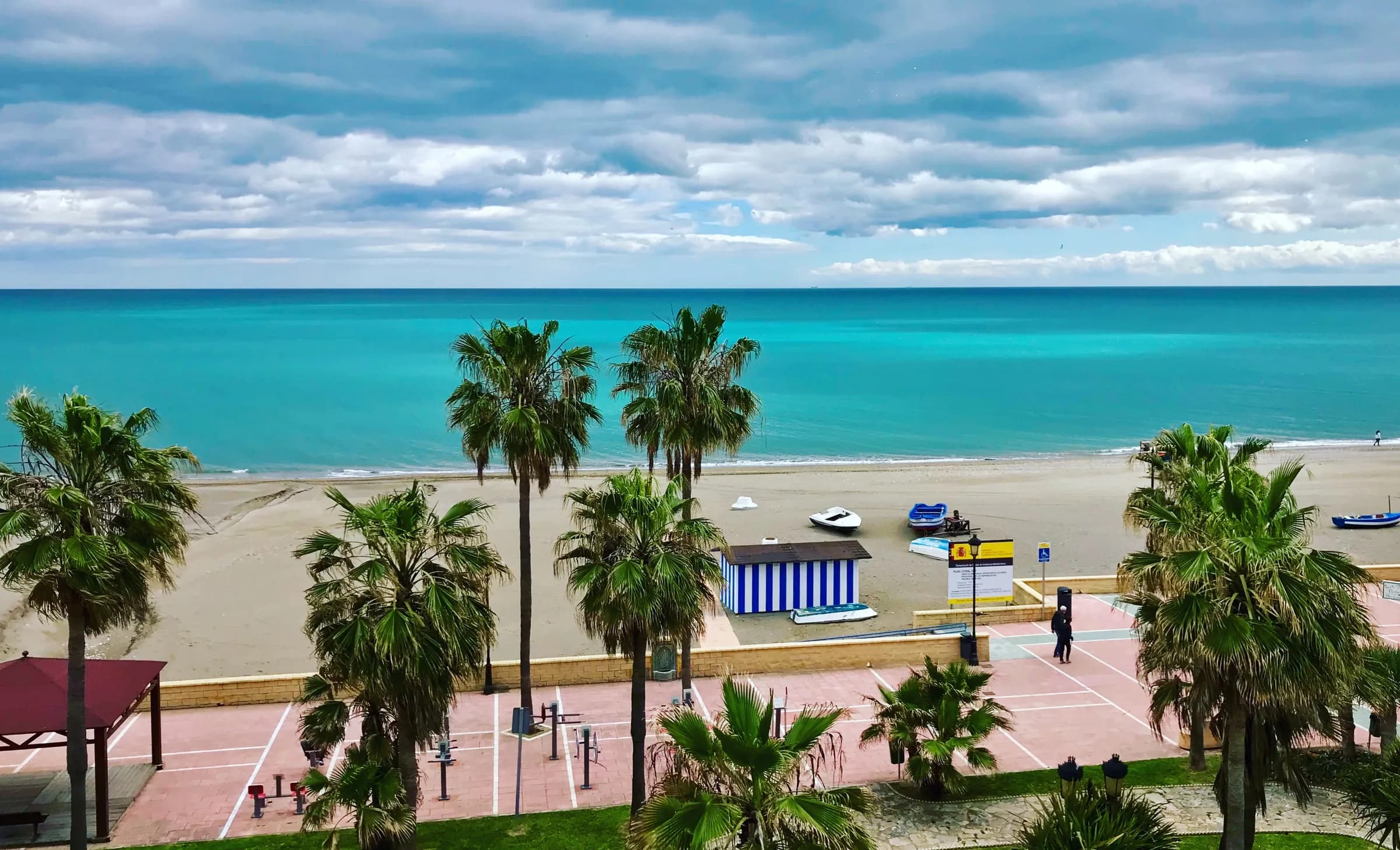
Stay Right on the Beach
The sand is 30 seconds from the door, and the balcony looks straight out at it. Book direct and save up to 20%.
- 3 Bedrooms
- 6 Guests
- 96 m²
Frequently Asked Questions
Related Articles
Family Beach Clubs: Marbella, Estepona & Sotogrande Guide
Which Costa del Sol beach clubs really work with kids? Every option from Sotogrande to Marbella: real 2026 prices, minimum spends, who to skip.
Hidden Beaches Costa del Sol: Quiet Coves West of Marbella
A local's guide to the hidden beaches of the Costa del Sol: the quiet coves and wild sands between Estepona, Manilva and Casares that the guidebooks miss.

Costa del Sol with Kids: A Family Guide
Planning the Costa del Sol with kids? A parent-tested guide to safe beaches, Selwo, water parks and easy day trips from a family-friendly Sabinillas base.
The Local's Costa del Sol, Monthly
One email a month: what's on in Sabinillas, the best local finds, and first pick of apartment dates. Free welcome gift: our Sabinillas Insider Guide.
We respect your privacy. Unsubscribe at any time.
Comments
No comments yetHave a tip, a question or a correction? Every comment is read and approved by hand before it appears, usually within a day.
No comments yet. Be the first to share a tip or ask a question.