What Midnight on 31 December Looks Like in Spain
At five to midnight on 31 December, Spain goes quiet in front of the television. Almost every channel is showing the same thing: the clock tower of the Real Casa de Correos on the Puerta del Sol in Madrid, the country's official timekeeper for the night. In living rooms, restaurants and plazas from Bilbao to Estepona, everyone is holding a small bowl or a tin of exactly twelve grapes, waiting.
Then the clock strikes twelve, and the whole country eats a grape per chime. Get all twelve down before the last strike fades and the new year is yours: twelve grapes, twelve months of luck. Fail, and you will be teased about it until at least Easter. Only after the last grape does everything else happen at once: the cava, the hugging, the fireworks, the first phone calls of the year.
That is Nochevieja, "the old night", and it is one of the easiest Spanish traditions for a visitor to join: the whole thing needs nothing but grapes and good timing. This guide covers where the custom comes from, how to get it right on the first try, what the dinner involves, and where on this coast to stand at midnight.
Where the Twelve Grapes Come From
The tradition is older and stranger than most people assume. Madrid newspapers from the 1880s already describe families seeing in the new year with grapes and champagne, in half-mocking imitation of French high society, and within a few years crowds were gathering at the Puerta del Sol to eat grapes to the clock's chimes as a send-up of the bourgeois dinner parties happening indoors.
Then commerce finished what satire started. In 1909, Alicante's grape growers, sitting on a bumper harvest they could not sell, pushed the late-ripening white Aledo table grape as the "twelve lucky grapes" for the new year. It worked so well that a century later Spain eats millions of kilos of grapes in a single night, and the Puerta del Sol clock is the country's most-watched timepiece.
Spanish television has carried the campanadas live since 1962, and the presenters are an annual talking point in themselves: one mistimed explanation in 1989 left half the country unsure when to start eating, and it is still brought up every December.
How to Eat Your Grapes Without Failing
Here is the part that catches first-timers, and it catches them every single year. Shortly before midnight, the Puerta del Sol clock does not simply strike twelve. First a golden ball descends the tower, then the clock plays the cuartos: four double chimes, quicker and lighter, marking the quarters. They are not the campanadas. Every Nochevieja, somewhere in Spain, a table of visitors bolts all twelve grapes during the cuartos and sits there, mouths full, while the actual midnight strikes begin.
The twelve real campanadas come after the cuartos: slower, heavier, evenly spaced at roughly three-second intervals. One grape per strike is a comfortable pace if you wait for them, and a choking hazard if you panic. A few practical notes from hosting December guests:
- Buy the tins. Spanish supermarkets sell little tins of exactly twelve peeled, deseeded grapes in syrup, sold precisely for this moment. Purists insist on fresh Aledo grapes; everyone else quietly appreciates not dealing with skins and pips at midnight.
- Twelve per person, counted out in advance. Cups, bowls, whatever; midnight is not the moment for arithmetic.
- Watch the television, not your watch. The broadcast is the referee. If you are in a plaza, the crowd and the PA carry you along.
- Do not start on the cuartos. If you remember one thing, this is it.
Swallow the last grape, and someone will already be pressing a glass of cava into your hand.
The Cena de Nochevieja: Dinner, Cotillón and Red Underwear
New Year's Eve in Spain is a late dinner first and a party second. Families and groups of friends sit down around 21:30 or 22:00 to the cena de Nochevieja, the year's most elaborate meal: seafood to start, prawns and shellfish above all, then usually lamb, suckling pig or a whole fish, and turrón and cava after. It runs long on purpose, timed to meet midnight with the table still full.
Restaurants and hotels along this coast offer the same as a set gala evening, and it is worth understanding the format before you book one: a fixed multi-course menu with wine, the grapes and cava at midnight, and usually music and dancing after. Expect roughly €100-170 per person on this stretch of coast, children around half, and book weeks ahead: Spanish families reserve their Nochevieja table in November. If that is not your budget, you are in luck: the plaza and the supermarket grapes cost nothing, and no one on this coast ever checked luck against a receipt.
Wherever you spend the evening, two more traditions will find you. The cotillón is the party bag, handed out at dinners and municipal parties alike: paper hat, streamers, a noisemaker, occasionally a wig of great dignity. And Spaniards see in the new year wearing red underwear, for luck in love, properly a gift from someone else; the supermarket checkout displays in late December leave no doubt about how seriously this is taken.
Where to Spend Midnight on the Western Costa del Sol
This end of the coast does Nochevieja at three volumes, and all three are within half an hour of Sabinillas.
Estepona, for the classic plaza midnight. Estepona's town hall has made a tradition of a free public party in the old town at the Plaza del Reloj, under the clock tower, which is exactly the kind of clock this night calls for: live music from around 23:00, cotillón bags handed out, the campanadas, then fireworks and dancing well into the new year. Recent editions have added a children's party on the morning of the 31st. The 2026 programme was not announced when we wrote this; the pattern has been steady for years, but check the ayuntamiento's December programme before building your night around it. It is 15 minutes up the road, and taxis do run on Nochevieja, though book the return in advance.
Puerto Banús, for the loud version. Marbella's marina does New Year at full wattage: gala dinners in the waterfront restaurants, the bars packed from midnight to sunrise, and fireworks over the yachts at midnight. It is glossy, expensive and crowded, and if that is your kind of New Year, nowhere within reach does it better. Thirty minutes east, and the same taxi advice applies, doubled.
Sabinillas, for the quiet version. Our own town spends the night the way most of Spain does: at the table. The seafront restaurants that open do their own dinners, a few neighbours let off fireworks on the beach, and at midnight you can step onto the sand with your grapes and a glass and hear the chimes from three directions. One thing the brochure versions of this night leave out: it will be around 8°C at midnight. The days are mild here in winter, 16-17°C and usually sunny, but the beach at midnight wants a proper coat over the party clothes. Our winter on the Costa del Sol guide has the honest numbers.
The First of January, the Coast's Best-Kept Morning
The proper end of a Spanish Nochevieja is churros con chocolate at dawn, eaten on the way home in whatever remains of the party outfit. If you do not make it to dawn, the next best thing is the morning after: 1 January is, year after year, one of the emptiest, calmest, sunniest mornings this coast produces. The town sleeps in, the sea is usually glassy, and by late morning a few bars and chiringuitos open for coffee and a slow lunch. The bravest tradition of the day is the first swim of the year, at 15-16°C; it is short, loud and followed immediately by hot chocolate.
Nochevieja does not stand alone. It sits in the middle of the Spanish holiday season, bracketed by El Gordo, the Christmas lottery on 22 December, Nochebuena and Christmas Day and the Three Kings on 5-6 January, with the Málaga Christmas lights burning right through until Reyes. It is a wonderful, underrated week to be here, and other people have noticed: the days between 20 December and 6 January book up like high summer, as our month-by-month guide shows, even while the rest of the winter stays quiet and cheap.
So if a New Year of grapes, plaza fireworks and a first-of-January beach walk sounds better than another cold one at home, plan it early. Our beachfront apartment in Sabinillas sleeps six and sits 30 seconds from the sand: bring the red underwear, and we will tell you exactly when the cuartos end and the campanadas begin.
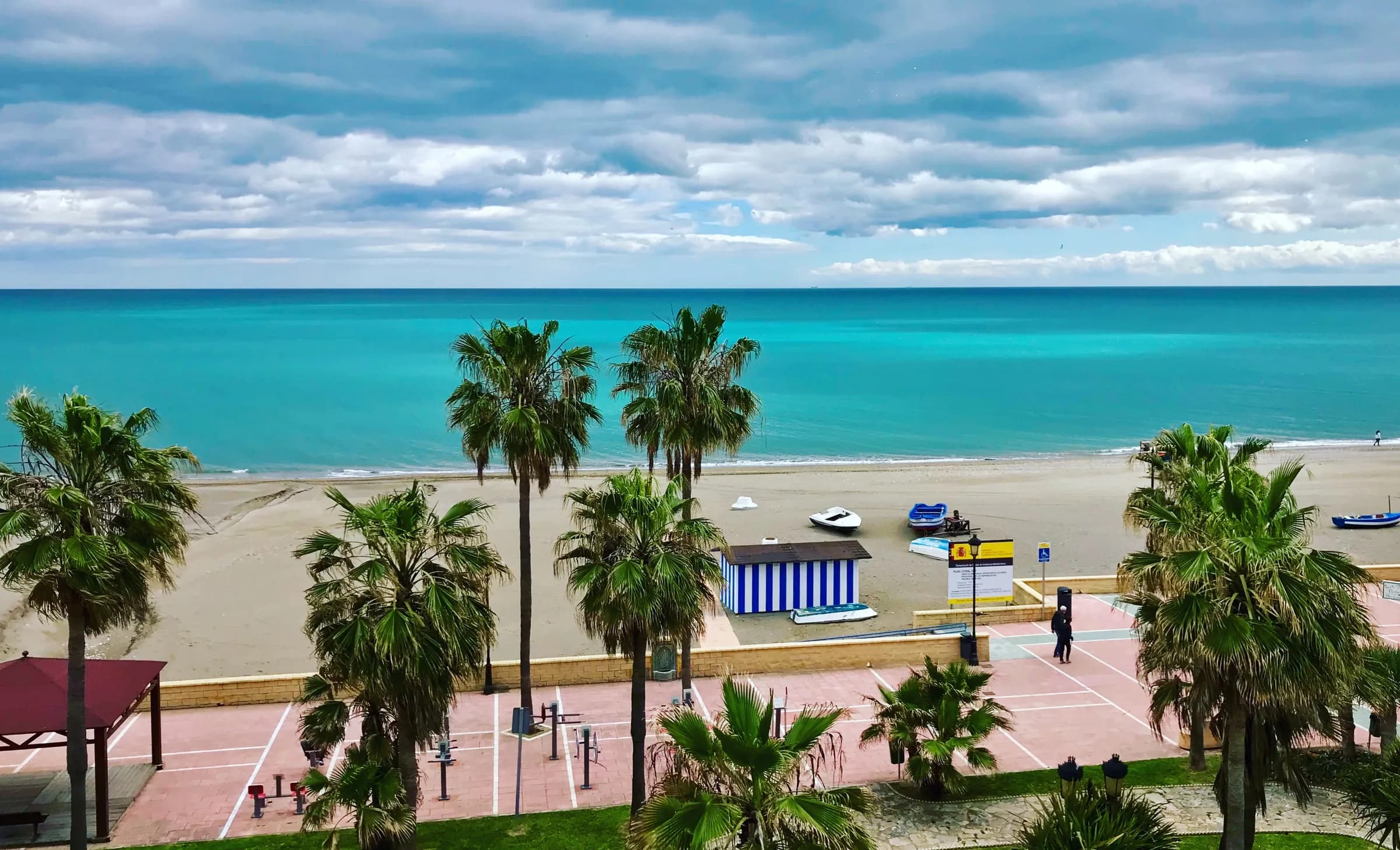
Stay Right on the Beach
The sand is 30 seconds from the door, and the balcony looks straight out at it. Book direct and save up to 20%.
- 3 Bedrooms
- 6 Guests
- 96 m²
Frequently Asked Questions
Related Articles
El Gordo: Spain's Christmas Lottery, Explained by Locals
El Gordo 2026, Spain's Christmas lottery: drawn Tuesday 22 December, €2.87 billion in prizes, how the 205 series and prize tiers work, and how to take part.
Málaga Christmas Lights 2026: Dates, Times & the Day Trip
Málaga's Christmas lights 2026: switch-on expected Friday 27 November on Calle Larios, the free light show times, the markets and an evening from the coast.
Winter Sun on the Costa del Sol: A Long-Stay Guide
Winter sun on the Costa del Sol: a long-stay guide to weather, costs, what's open in Sabinillas, and daily life here from November to March.
The Local's Costa del Sol, Monthly
One email a month: what's on in Sabinillas, the best local finds, and first pick of apartment dates. Free welcome gift: our Sabinillas Insider Guide.
We respect your privacy. Unsubscribe at any time.
Comments
No comments yetHave a tip, a question or a correction? Every comment is read and approved by hand before it appears, usually within a day.
No comments yet. Be the first to share a tip or ask a question.