The mountains above the Costa del Sol hide one of southern Spain's most surprising wine regions, and most beach visitors drive straight past it. Ronda, the clifftop town famous for its gorge and its bullring, sits high in the Serranía de Ronda. Up here the days are hot and the nights are cold, and that swing does something special to the grapes. Ronda wine ends up with a freshness, a structure and a backbone you don't expect from this corner of Andalucía.
We've hosted plenty of guests who set off for Ronda purely for the views. They come back talking about the reds.
Why Ronda Wine Tastes Different: The Altitude Advantage
Say "Spanish wine" and people picture the flat plains of La Mancha or the sun-baked sherry country around Jerez. Ronda is the opposite. Most of its vineyards sit between roughly 700 and 900 metres above sea level, among the highest in Spain.
That height is the whole story. Hot daytime sun ripens the fruit slowly; cold mountain nights lock in the acidity. The result is wine that stays bright and lively instead of going heavy and jammy. Cherry and plum flavours keep their edge. The reds age well, layering up over years in the bottle.
The ground matters too. The vines grow on limestone and rocky, broken soil, washed by weather systems rolling in off the Atlantic. None of this was being exploited for fine wine until the early 1980s, when a German grower named Friedrich Schatz arrived, looked at the altitude, and decided it could rival far more famous regions. He planted variety after variety to find out what worked. The Cabernet and Syrah you'll taste across the region today followed in his footsteps.
Today there are roughly two dozen bodegas working the hills around Ronda, almost all bottling under the D.O. Sierras de Málaga, most with the Serranía de Ronda subzone on the label (Consejo Regulador). The name is still building a reputation abroad, which is good news for your wallet: you get genuinely serious wine for a fraction of what the equivalent would cost in Rioja or Ribera del Duero.
The Best Bodegas to Visit Around Ronda
A word before you set off. These are small, hands-on wineries, not big visitor centres. Visits are by appointment, opening hours flex with the season and the harvest, and prices drift year to year. Treat the figures below as a guide, and confirm the cost and the language of your tour when you book. Most growers run tastings in Spanish and English; a few do German and French too.
Bodega Doña Felisa (Chinchilla)
Bodega Doña Felisa, behind the Chinchilla label, is our pick for a first Ronda visit. It's family-run, friendly and refreshingly unstuffy. You walk the vineyard, see the cellar, hear how altitude shapes the fermentation, then taste a flight of their wines with local cheese and cured ham. Their house red shows exactly what height does: bright cherry on the nose, spice underneath, a clean finish. A guided tour with tasting runs in the region of €35 to €40 per person and takes about 90 minutes. Book ahead.
Bodega Joaquín Fernández
Bodega Joaquín Fernández is one of the warmest, most personal visits in the valley, set among organic vineyards a short drive from town. The family farm without chemicals and it shows in the glass: their reds are clean and expressive, and the tour leans genuinely educational rather than slick. Expect a vineyard and cellar walk plus a seated tasting, usually somewhere around €30 to €45 depending on how many wines you try. They often have space when the bigger names are full, but still book a day or two ahead.
Bodega F. Schatz
For the history, go to Bodega F. Schatz. This is the cellar that lit the fuse under the modern Ronda wine scene, and it works to organic and biodynamic principles: minimal intervention, letting the altitude and the soil speak. The range runs from classics like Cabernet and Syrah to unusual grapes such as Lemberger and Pinot Noir. Visits are intimate and properly informative; you leave understanding what the wine tastes like and why. Reckon on around €40 to €50, by appointment only.
Bodega Descalzos Viejos
If you want drama with your wine, Bodega Descalzos Viejos delivers. It occupies a restored 16th-century monastery with original frescoes and a balcony staring straight down into the El Tajo gorge. The setting is hard to beat and the reds are seriously good. It feels like a special-occasion visit, and the price reflects that, but for an anniversary or a milestone it's worth every cent. Booking essential.
At a glance
| Bodega | Style | Rough cost pp | Best for |
|---|---|---|---|
| Doña Felisa (Chinchilla) | Family-run, classic blends | ~€35-40 | A relaxed first visit |
| Joaquín Fernández | Organic, personal | ~€30-45 | Hands-on, less touristy |
| F. Schatz | Organic / biodynamic, pioneer | ~€40-50 | Wine history and oddball grapes |
| Descalzos Viejos | Premium, monastery setting | Higher | A special occasion |
Pro tip: Two bodegas is the sweet spot for a full day: one mid-morning, one mid-afternoon, with a long lunch in Ronda in between. It dodges palate fatigue and leaves time for the town. Cramming in three or four tastings is the classic rookie mistake.
What to Drink: Grape Varieties and Tasting Notes
Ronda's reds lean on four grapes, usually blended:
Cabernet Sauvignon is the backbone of many local reds. At altitude it gives bright cherry and blackcurrant with a herby edge, and the cold nights keep it structured rather than flabby. Tasting note: cherry, blackcurrant, graphite, fine tannins.
Syrah makes the spiciest wines here. At 800 metres it's all black pepper, dark berry and a whiff of smoke, which is why so many growers build it into their blends. Tasting note: black pepper, plum, leather, medium body.
Tempranillo, Spain's signature grape, gets an altitude twist in Ronda: cherry and plum with a hint of liquorice, more structured and better balanced than its lowland cousins. Tasting note: bright cherry, plum, tobacco leaf, elegant.
Petit Verdot is the secret weapon. Rarely bottled alone, it's the blender that adds deep colour, grip and ageing power. Tasting note: dark cherry, violet, peppery finish, firm tannins.
A typical Ronda red might run something like a third Cabernet, a third Syrah, then Tempranillo and Petit Verdot to fill it out: cherry fruit up front, spice in the middle, a silky finish and a structured backbone. Ask your guide about their own blend. They'll happily walk you through what each grape is doing. Most of these reds show best slightly cool, around 16 to 18°C, and will keep happily for five to ten years, though they drink well young.
And don't write off the whites and rosés. A few growers make crisp, mountain-fresh whites and dry, pale rosés that are perfect for a hot afternoon, worth asking about if reds aren't your thing or you want something lighter with lunch.
Planning a Ronda Wine Day from Sabinillas
It's worth giving Ronda a full day. Here's the rhythm we'd suggest:
09:00: Leave Sabinillas. It's about 90 km. The quick way is up the coast to San Pedro and over the A-397 (around 1.5 hours); the prettier inland route via the A-377 from Manilva and the A-369 at Gaucín is closer to 2 hours but a glorious drive. Set off early to beat the heat and reach your first cellar with a fresh palate.
10:30: First bodega. Arrive at your pre-booked winery. The visit runs 90 minutes to two hours. The views are often worth lingering over, so bring a camera.
12:30: Old-town wander. Walk the cobbled streets, cross the Puente Nuevo for the jaw-dropping gorge views, and circle the quarter around the Iglesia de Santa María la Mayor. An hour or so at a gentle pace.
13:30: Long lunch. Eat where the Spanish families eat, not the tourist traps on the bridge. Go for mountain cooking: rabo de toro (oxtail stew) or conejo a la rondeña (rabbit, Ronda-style). Leave the espetos for the coast, where they belong. Mains usually run €12 to €20.
15:00: Second bodega. With lunch settled and the morning's wines behind you, a second tasting lands fresh. Plenty of people head home after one cellar, but if you can manage two, you'll taste far more range.
17:00: Drive home. You'll roll back into Sabinillas around 18:30, in time for a sunset drink on the beach or dinner at your favourite chiringuito.
Prefer not to drive? Third-party operators run guided Ronda wine days with transport and planned cellar stops (from around €85 to €90 per person), handy if everyone wants to drink. Ask us and we'll point you to a current one.
Visiting with Family, or on a Budget
A wine day isn't only for couples and serious oenophiles.
With kids: Several of the family-run bodegas, Doña Felisa and Joaquín Fernández among them, are relaxed about children tagging along on the vineyard walk, and a few keep soft drinks or grape juice on hand. Always flag that you're bringing little ones when you book, though. Some of the smarter, premium tastings really aren't set up for them. Pair the visit with Ronda's old town and the kids get a castle-and-gorge adventure while the grown-ups get the wine.
On a budget: The cheapest way to taste Ronda wine is to skip the formal tour entirely. Buy a couple of bottles direct from a bodega shop, or from a good wine merchant in town, and drink them on the balcony back at the coast. If you do want a tasting, the family wineries sit at the affordable end, and many will knock the tasting fee off any wine you buy, so it's worth asking. Lunch is where a day out quietly balloons, so a long, slow menú del día beats à la carte every time.
Practical Information
| Detail | Info |
|---|---|
| Distance from Sabinillas | ~90 km (1.5 to 2 hours by car) |
| Route | A-397 via San Pedro is faster (~1.5h); A-377/A-369 via Gaucín is prettier (~2h) |
| Parking | Paid street parking in the centre (blue/orange zones, roughly €1-2/hr); free at most bodegas. Don't drive across the Puente Nuevo: it's restricted |
| Typical tasting cost | ~€30-50 per person (three to five wines plus local tapas) |
| Bodega visit length | 90 minutes to 2 hours |
| Best time to visit | Spring (April-June) or autumn (September-October); harvest is usually September into October |
| Booking | Essential: appointment only at most bodegas; book 24-48 hours ahead |
| Lunch | ~€12-20 for a main in local restaurants |
| Driving | Mountain roads, twisty in parts. Never drink and drive: pick a designated driver or a wine tour |
Ronda vs Manilva Wine: Two Very Different Stories
There are two wine regions within reach of our apartment, and they couldn't be more different.
Ronda is altitude wine: 700-plus metres, cold nights, structured reds built on Cabernet and Syrah. Think backbone, elegance and ageing potential. The wines are drier and more serious, and prices are creeping up as critics catch on.
Manilva, ten minutes down the coast, is the mirror image. Vines climb the low hills a few kilometres inland, in sight of the sea, and they've grown the same grape here for centuries: Moscatel de Alejandría. The wines, sweet and dry alike, are lighter and more delicate, with apricot and honey running through them. The terroir is humid, coastal and very old.
The contrast in a glass: Ronda is a modern revival (since the early 1980s) making international-style reds at height. Manilva is an ancient tradition making one speciality wine by the sea. Ronda ages for years; Manilva is best young and fresh. Ronda tastes of dark cherry and spice; Manilva of apricot and a sea breeze. Do both and you've seen the full range of what Málaga province can pour. For the Manilva side of the story, read our guide to the Manilva wine trail.
Getting There from Sabinillas
By car: The quick route runs up the coast to San Pedro and over the A-397 (about 1.5 hours); the scenic inland route takes the A-377 from Manilva and joins the A-369 near Gaucín (closer to 2 hours, but a beautiful mountain drive). Allow more in summer traffic, and bring a phone charger: signal gets patchy in the mountains.
By bus: Avanza runs services from Estepona to Ronda, roughly 2 to 2.5 hours, for around €10 each way. It gets you to the town but not the cellars, so you'd be relying on taxis for any tasting.
By train: Ronda sits on the scenic Algeciras-Bobadilla line, and the ride in through the mountains is gorgeous. Again, it drops you in town, not at the vineyards.
Guided tours: Several companies run wine day trips from Costa del Sol resorts, bundling tastings, lunch and Ronda sightseeing with transport, typically from around €85 per person. The obvious win: nobody has to stay sober for the drive home.
A Few Tips Before You Go
- Eat a light breakfast. You'll be tasting on a near-empty stomach, and you want to be hungry for lunch in Ronda.
- Wear comfortable shoes and layers. Vineyards are dusty; cellars are cool. You'll want both.
- Bring water. Sip between tastings: it sharpens your palate and heads off the afternoon headache.
- Take notes. Ask for the tasting sheet and scribble down what you liked. Future-you, trying to order a case at home, will be grateful.
- Don't rush. There's no prize for finishing first. Slow down, listen to the grower, ask questions.
- Mind Spanish hours. Many shops shut 14:00-17:00, so aim to eat between 13:00 and 14:30.
For everything else Ronda has to offer beyond the wine (the old town, the bullring, the gorge walks), see our full Ronda day trip guide. For more food and drink across the region, browse the Food & Drink magazine.
Back at our beachfront apartment in Sabinillas, you're ideally placed for a wine-country escape. There's more on the town in our complete guide to Sabinillas. Leave the beach after breakfast, spend the afternoon among Ronda's vines and that astonishing gorge, and be home for sunset over the Mediterranean. It's the Costa del Sol most visitors never find.
Ronda wine turns an ordinary beach week into something with a bit more depth, and the best bottles travel home with you. Open one back in the kitchen months later and you'll taste it all again: the altitude, the cold nights, and the growers who believed in this place long before the rest of the world did.
Ready to plan it? Check availability and book your stay, and make a Ronda wine day part of your trip.
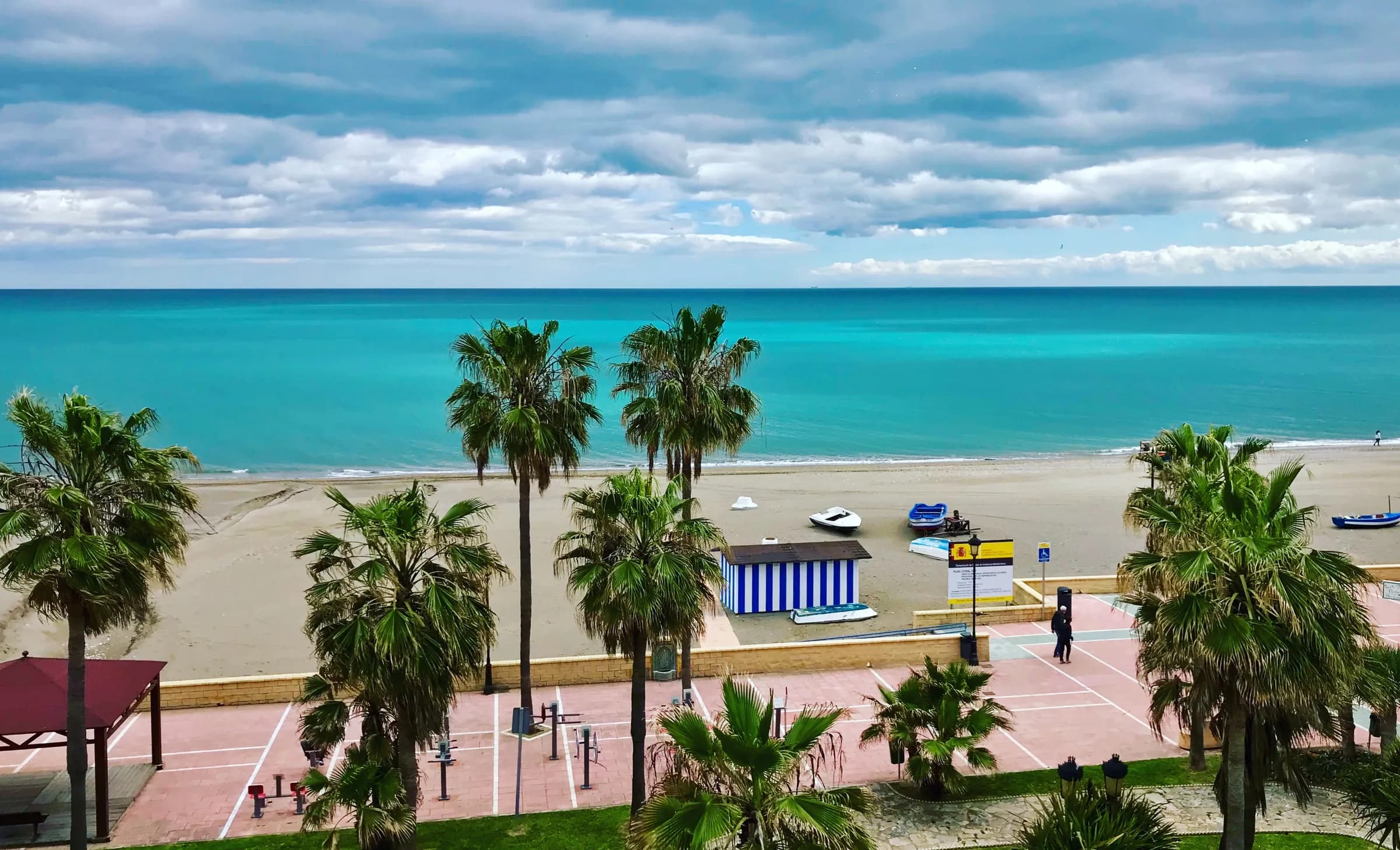
Stay Right on the Beach
The sand is 30 seconds from the door, and the balcony looks straight out at it. Book direct and save up to 20%.
- 3 Bedrooms
- 6 Guests
- 96 m²
Frequently Asked Questions
Related Articles
Manilva Guide: Wine, Roman Baths & Beach Town
A local's guide to Manilva on the Costa del Sol: Europe's most southerly vineyards, free Roman sulphur baths, the Duquesa castle and the beach at Sabinillas.
Jerez Sherry & the Sherry Triangle: Bodega Guide
A practical guide to Jerez and the Sherry Triangle: which bodegas to tour, what fino, oloroso and PX taste like, and how to get there from the coast.

Ronda Day Trip from Sabinillas: Things to Do & Itinerary
A Ronda day trip from the Costa del Sol: the best things to do, where to eat, how to get there from Sabinillas or Málaga, and a full one-day itinerary.
The Local's Costa del Sol, Monthly
One email a month: what's on in Sabinillas, the best local finds, and first pick of apartment dates. Free welcome gift: our Sabinillas Insider Guide.
We respect your privacy. Unsubscribe at any time.
Comments
No comments yetHave a tip, a question or a correction? Every comment is read and approved by hand before it appears, usually within a day.
No comments yet. Be the first to share a tip or ask a question.