See it first: the pale, turquoise pools of the Baños de la Hedionda are one of the few genuinely ancient things you can still climb into on the western Costa del Sol: a 2,000-year-old Roman sulphur bath, 15 minutes from the beach, and free.
What the Baños de la Hedionda are
The Baños de la Hedionda are natural sulphur springs in a quiet river valley on the boundary between Manilva and Casares, built up into a bathing complex by the Romans around the 1st century. Four vaulted stone chambers still stand, and channels cut into the surrounding rock hint that the site was once much larger. The name is honest to a fault: hedionda means "stinking", and the sulphur announces itself before you reach the water.
We send guests up here all summer, and the reaction splits cleanly. People who came for a warm spa soak are briefly disappointed: this is cold, wild and undeveloped. People who came for something real and a bit strange leave delighted. Set your expectations for the second kind of day and you will love it.
This guide goes deeper on the baths than our full Casares white village day-trip guide, which covers the pueblo, the castle and where to eat. If you are planning a day inland, read both.
The legend of Julius Caesar
Local lore says Julius Caesar bathed here after the Battle of Munda in 45 BC, was cured of a skin affliction, and had the baths built up in gratitude. It is a good story, and the valley has dined out on it for two millennia, but treat it as legend, not fact. There is no solid evidence Caesar ever set foot in the water. What is real is the Roman engineering that survives, and the fact that these waters have drawn people seeking a cure for a very, very long time.
Why the water smells (and why that's the point)
The spring rises through the Sierra de la Utrera, picking up dissolved sulphur on the way, which is what produces the rotten-egg smell and the milky, blue-green colour. Far from a flaw, this is exactly why the baths were prized: sulphurous mineral water has a long history of use for skin and aching joints. The smell dulls quickly once you are in, and the water itself is clear and cool over the pale rock.
One thing worth knowing before you drive up: the water is not warm. Despite feeding through a range that also produces hot springs, the pools sit at a fairly constant ~18°C year-round (a few sources put it as high as 21°C). In August that is blissful. In spring it will take your breath away.
The summer booking system: how it works
Here is the part that trips visitors up, and the reason this guide exists. The open-air pools and the river are free and open all year: no ticket, no booking, wade in whenever you like. But the vaulted Roman chamber is capacity-limited to protect the ancient stone, and in summer Casares town hall requires a free timed reservation to go inside it.
For the 2026 season, according to the Casares tourism office, the mechanics were:
| Detail | Summer 2026 |
|---|---|
| Season | 20 June to 6 September |
| Chamber access hours | 12:00-19:00 weekdays; until 20:00 weekends |
| Cost | Free (reservation required for the chamber only) |
| How to book | Direct 2026 links: July · August · September; one Eventbrite link per month |
| Places per person | Up to 2 |
| Reservations opened | 10 June, 09:00 |
Good to know: these dates and hours are set fresh each year, and slots for August go fast. Before you travel, check the current-season booking link on the Casares tourism site (turismocasares.com) or contact the tourist office (turismo@casares.es, +34 952 89 55 21). If the booking link isn't live yet for your dates, the outdoor pools are still free and open.
Outside the summer window you can generally just turn up and have the place to yourself, which is why we quietly rate a winter visit as the best-kept secret here. The water is the same temperature in January as in July, and there are no crowds and no booking to think about.
Getting there from Sabinillas
The baths belong to Casares municipality, but you do not reach them via the hill village; they sit down near the coast, closer to Manilva. From our apartment it is about a 15-minute drive.
- Join the A-7 and head to the roundabout by the Lidl just west of Sabinillas.
- Turn inland and follow signs for the Camino de los Baños.
- The final stretch is an unpaved dirt track, passable slowly in a normal car in dry weather, but not smooth.
- Park in the clearing, then walk roughly 500 m down to the springs.
There is no useful bus to the baths, so this is a drive-yourself trip. If you have come without a car, our free car-hire referral points you to a reliable local agency.
What to bring, and swimming etiquette
The site is completely undeveloped: no café, no kiosk, no loungers, no toilets, no lifeguard. That is part of its charm, but it means you carry everything in and out.
- Swimwear, a towel and a change of clothes
- Water shoes or old trainers: the rock is sharp and slippery
- Drinking water, snacks and sun shade
- A bag for your rubbish: leave the valley exactly as you found it
Keep it low-key: this is an ancient monument and a natural spot that locals cherish, not a water park. No loud music, no glass, and supervise children closely around the deeper chamber pool.
For families: the shallow outdoor pools suit children well and cost nothing, but there is no lifeguard and the stones are slick. Pack for self-sufficiency; there is nowhere on site to buy so much as a bottle of water.
Combine it with Casares and the hills
The baths make a perfect half-day on their own, but they slot beautifully into a bigger inland loop. Drive up to Casares pueblo first for the castle and a long lunch, then drop back towards the coast for a cold sulphur soak on the way home; the full plan is in our Casares day-trip guide. Walkers can add the Sierra de la Utrera limestone gorges right beside the baths, or one of the longer hiking routes in the Sierra Bermeja above Casares. And since you are already in wine country, the vineyards of the Manilva wine trail are a short hop away. For the wider picture of the area, our complete guide to Sabinillas and our roundup of things to do in Sabinillas put it all in context, and the whole neighborhood magazine covers more of the western Costa del Sol on our doorstep.
Planning your visit
The Baños de la Hedionda are one of the reasons we love where we live: two thousand years of history, wild green water and a valley that smells faintly of eggs, all a quarter of an hour from the sand. Come in the shoulder seasons or winter for solitude, or book a summer chamber slot well ahead if you want the full Roman experience.
For guests at our beachfront apartment in Sabinillas (three bedrooms, sleeps six, from €120 a night in low season and bookable direct so you save around 19% on the usual booking-site rates), the baths are a spontaneous morning out: swim in the sulphur, home for a proper swim in the sea by lunchtime.
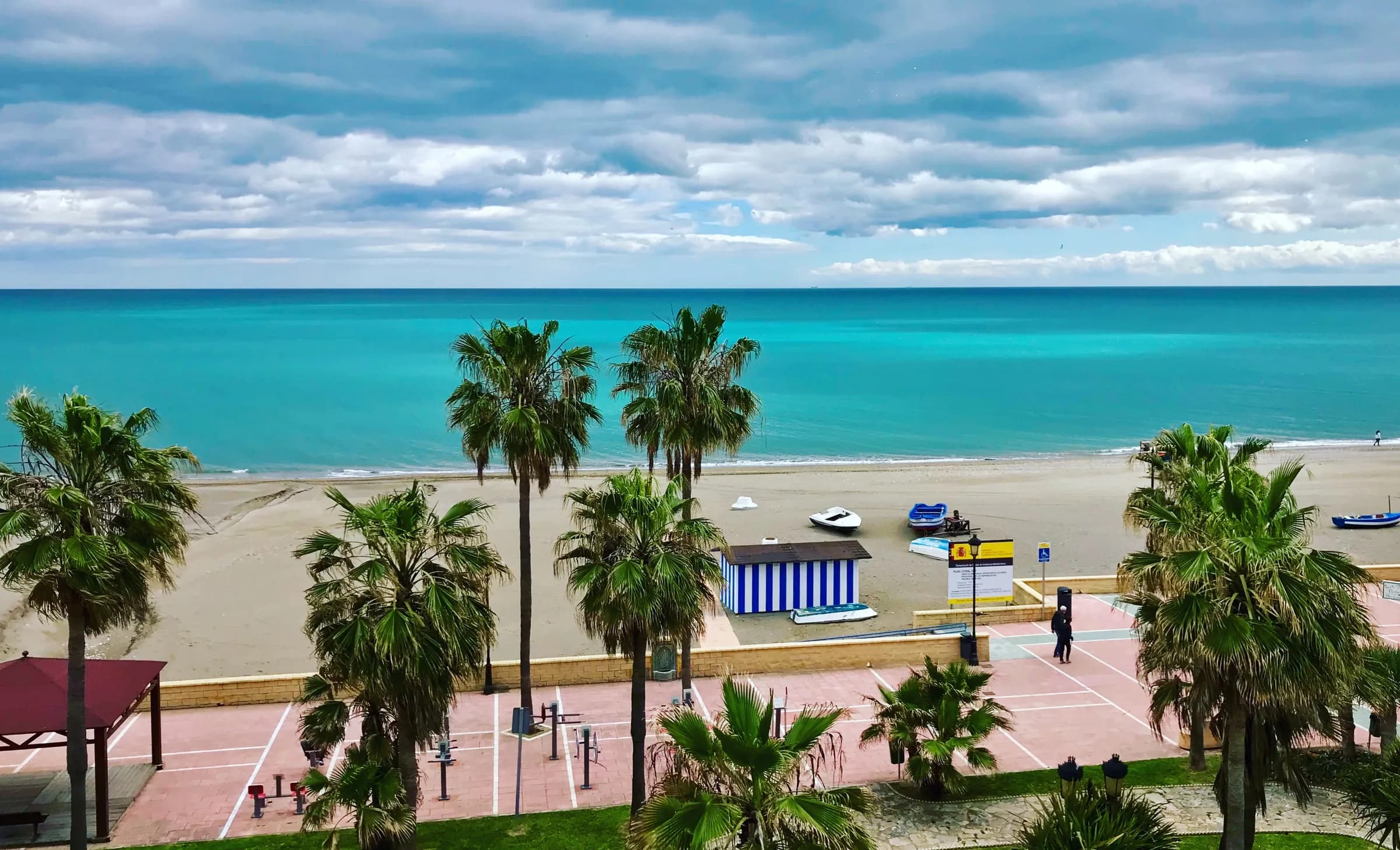
Stay Right on the Beach
The sand is 30 seconds from the door, and the balcony looks straight out at it. Book direct and save up to 20%.
- 3 Bedrooms
- 6 Guests
- 96 m²
Frequently Asked Questions
Related Articles

Manilva Guide: Wine, Roman Baths & Beach Town
A local's guide to Manilva on the Costa del Sol: Europe's most southerly vineyards, free Roman sulphur baths, the Duquesa castle and the beach at Sabinillas.

Hiking on the Costa del Sol: Sierra Bermeja Trails
A walker's guide to hiking on the Costa del Sol: Sierra Bermeja's red peridotite peaks, rare pinsapo firs and realistic trail grades, an hour from Sabinillas.

Casares, Spain: White Village Guide & Day Trip
Casares, Spain is the cliffside pueblo blanco 20 minutes from Sabinillas. Castle, miradores, Roman baths and where to eat: a complete day-trip guide.
The Local's Costa del Sol, Monthly
One email a month: what's on in Sabinillas, the best local finds, and first pick of apartment dates. Free welcome gift: our Sabinillas Insider Guide.
We respect your privacy. Unsubscribe at any time.
Comments
No comments yetHave a tip, a question or a correction? Every comment is read and approved by hand before it appears, usually within a day.
No comments yet. Be the first to share a tip or ask a question.